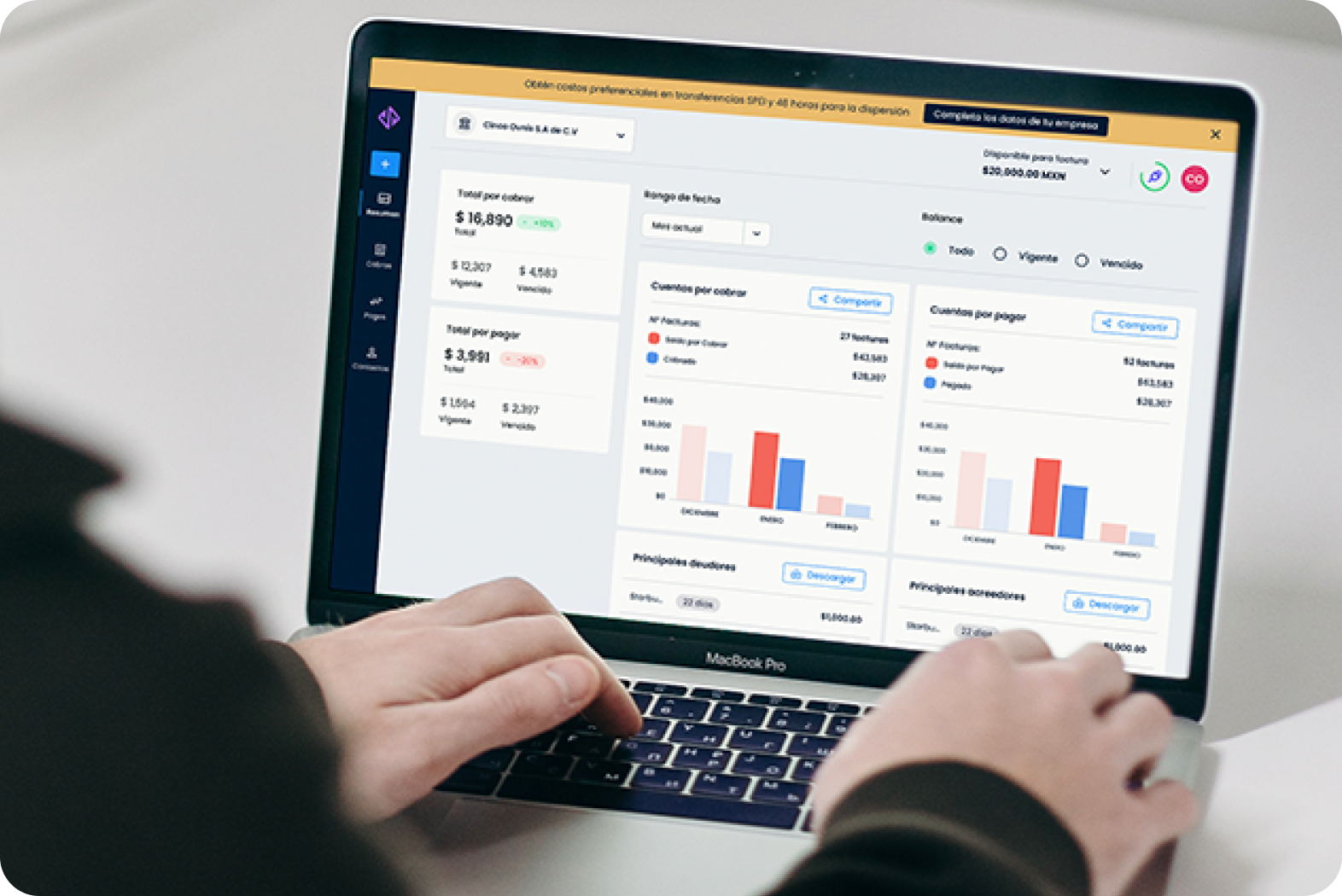
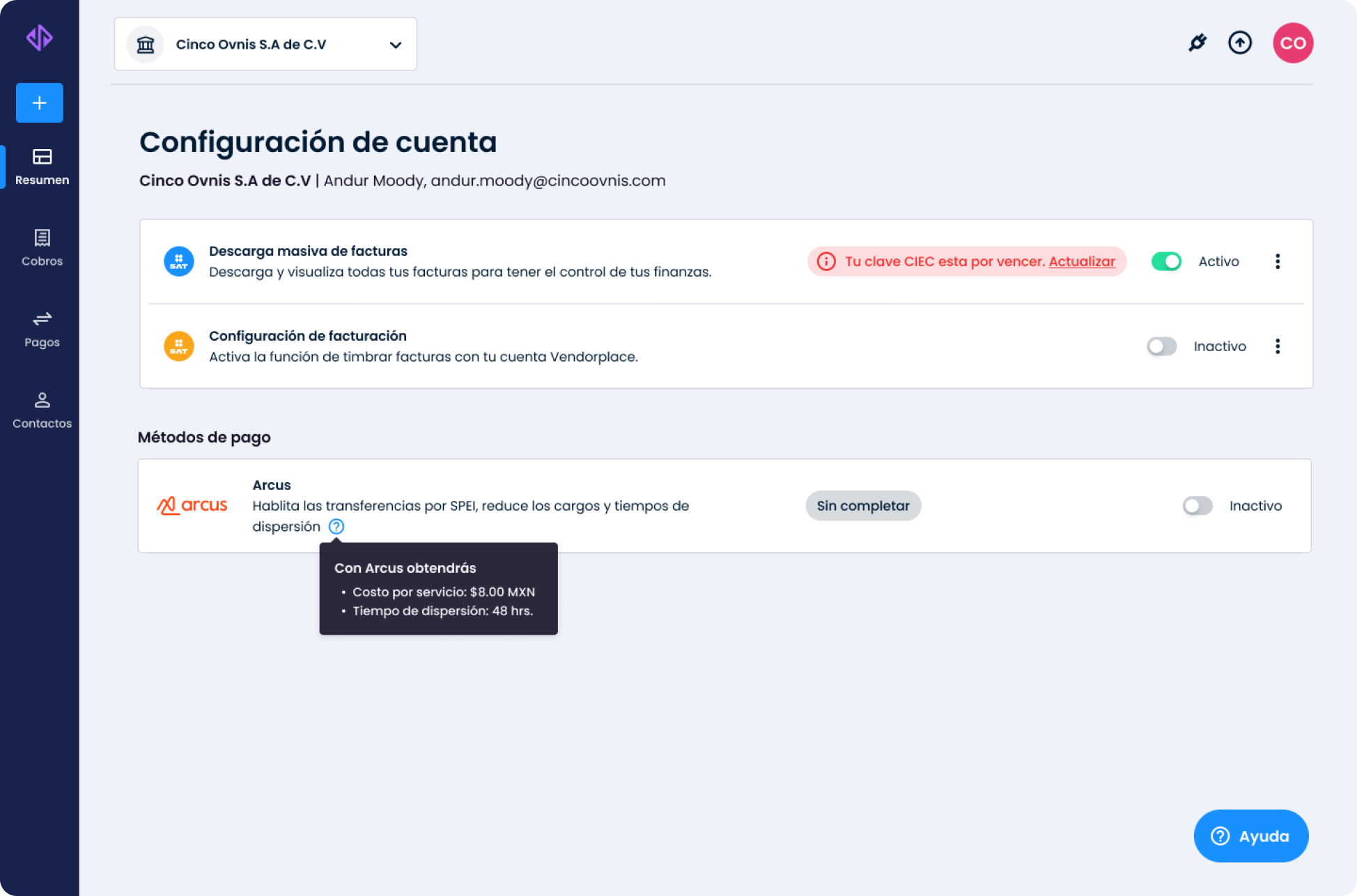
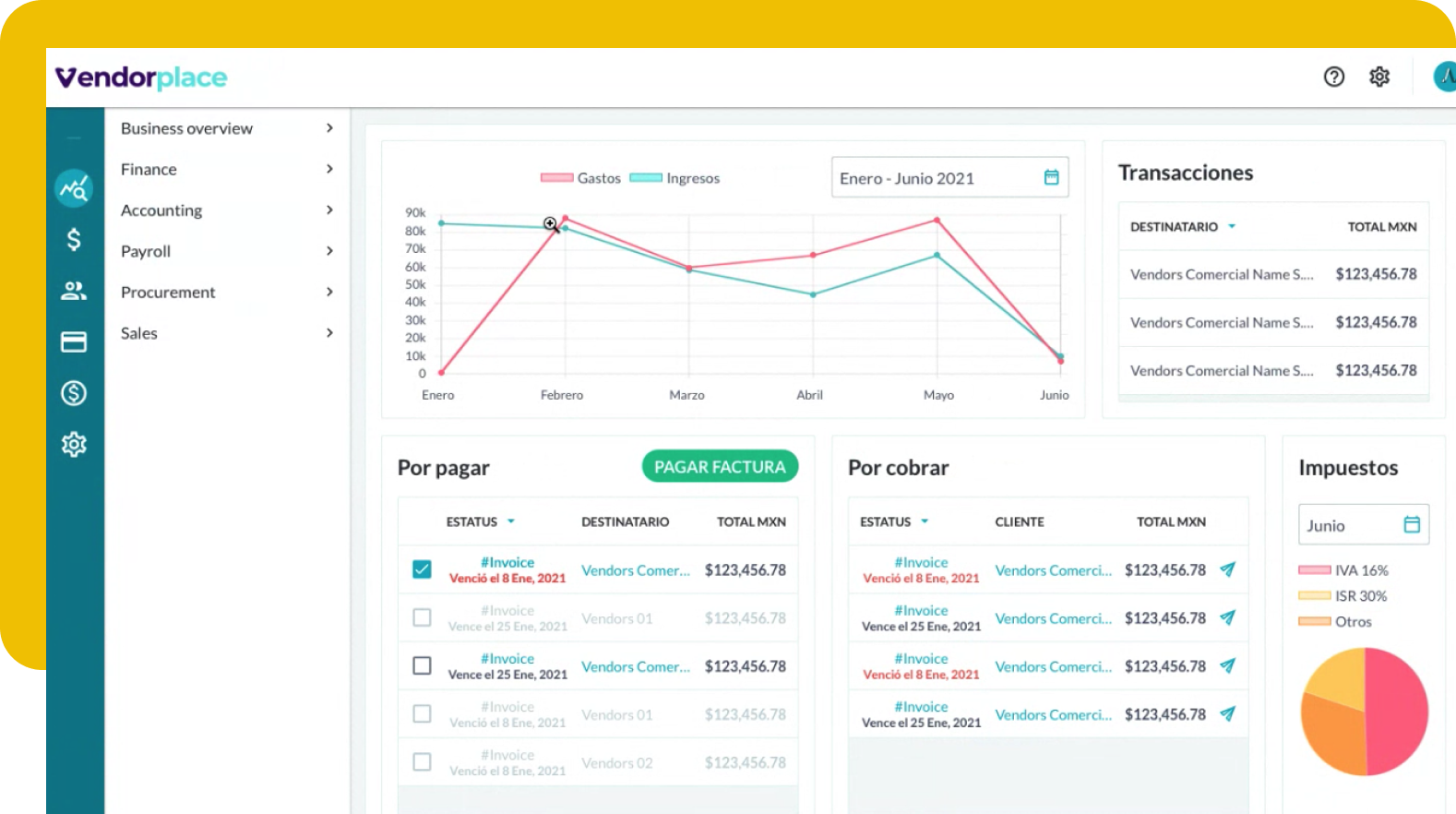
Yaydoo Vendorplace is a product that was born in a Design Thinking session. Its objective was to complement the Yaydoo suite from a visualization for Directors and Managers. With a focus on strictly simple processes, we helped to grow a product almost from scratch.
Challenge
A product with Product-Market-Fit
In combination with another product of the Yaydoo suite, Vendorplace offers Directors and Managers a quick and detailed view of their day-to-day business. After the company validated the product’s MVP, the picture was bleak: good information but little adoption.
+200K USD transacted in the first quarter of its launching
+15% conversion rate from Freemium
The team by Comandos
6 developers
2 UX/UI designer
1 Customer Experience
1 User Research
Adventure
Understanding Yaydoo Vendorplace
Getting ready: Where are we? and What will we need?
Yaydoo Vendorplace had two major problems: A brand uniformity with respect to the company to which it belonged and a usability not designed for mobile. Although the objective was to give visibility to high-level profiles, there was no proto-persona or previous user research, which hindered the adoption of the product.
In a context where Yaydoo’s workforce grew +140% in less than 7 months, we knew we had to act quickly to grow conversion, Vendorplace usability and product adoption.
Seeing the mountain
Where to start?
With a complicated outlook and little time to reverse the results, we focused on 3 key opportunities:
Product Adoption: When does the "Aha moment!" occur?
Retention:Registrations are important, but more important is how many of you stay using the product.
Referral program:Being at a very early stage, we aim at a referral program to enhance the quality network effect.
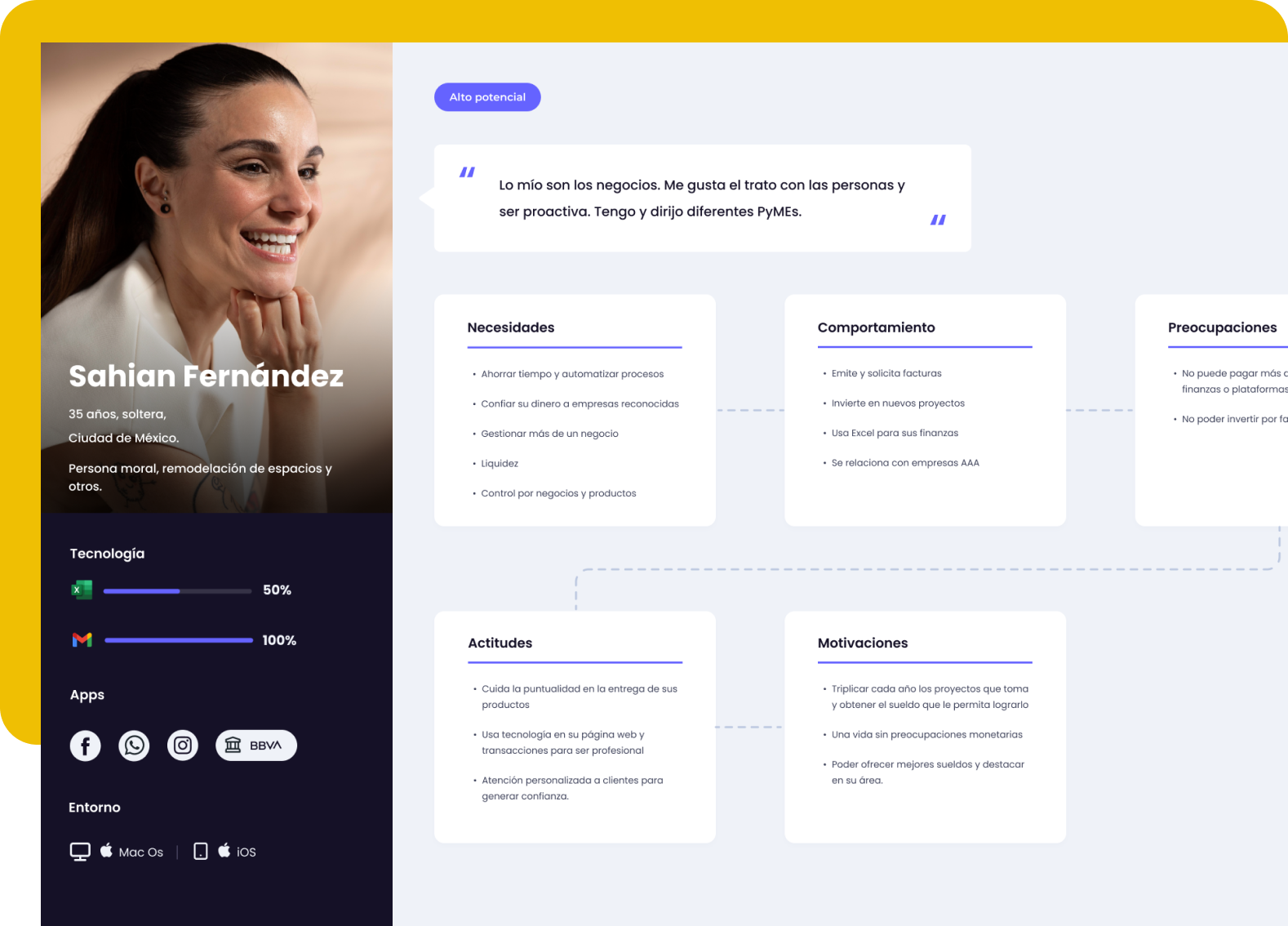
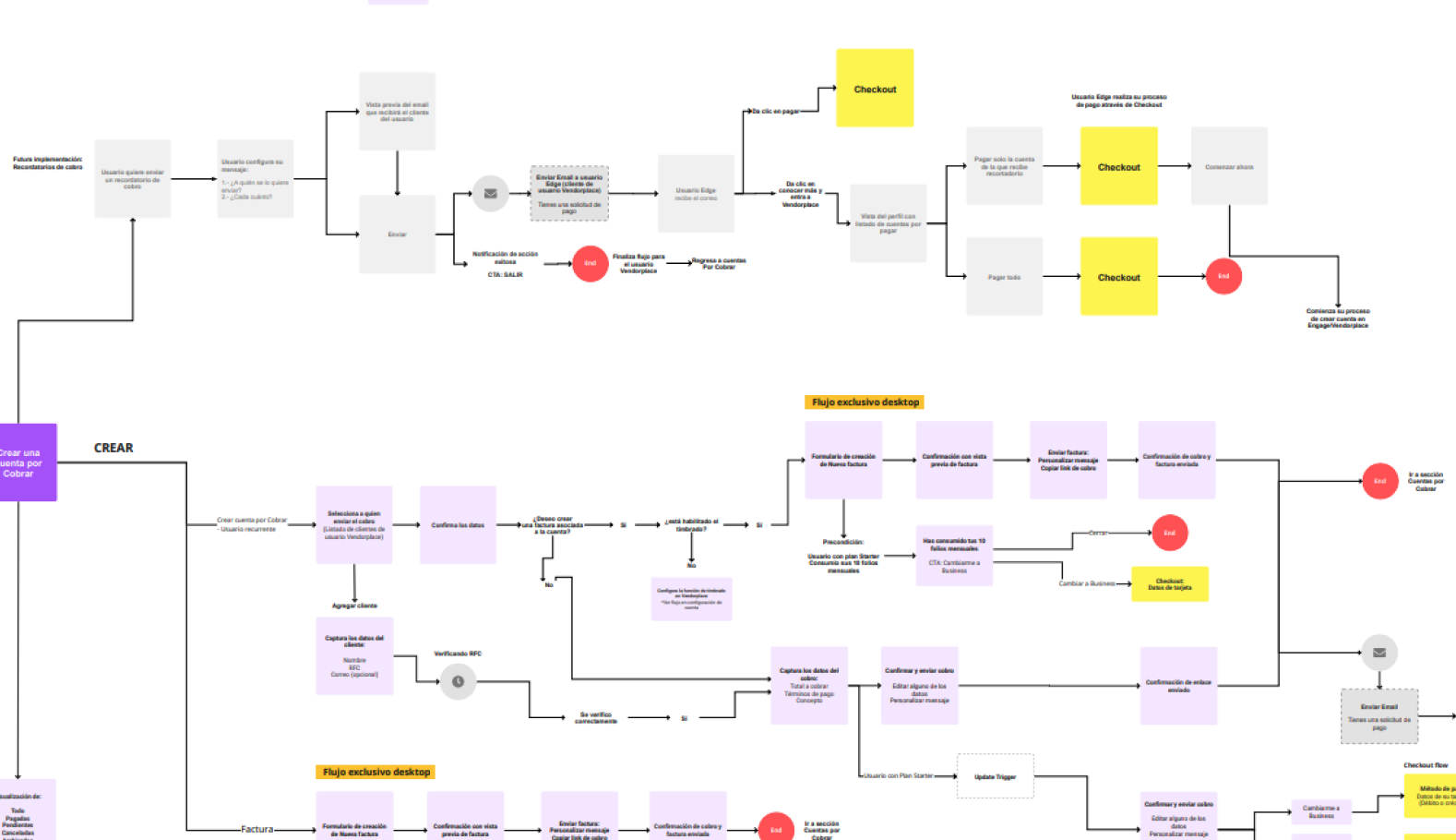
Step 01: Define a proto-persona + User Journey
Focusing on a North Star Metric, we got down to work. We aligned with Product, Marketing and Customer Experience to define the obvious: What real problem are we solving? Who? Are we aware of the user journey + jobs-to-be-done?
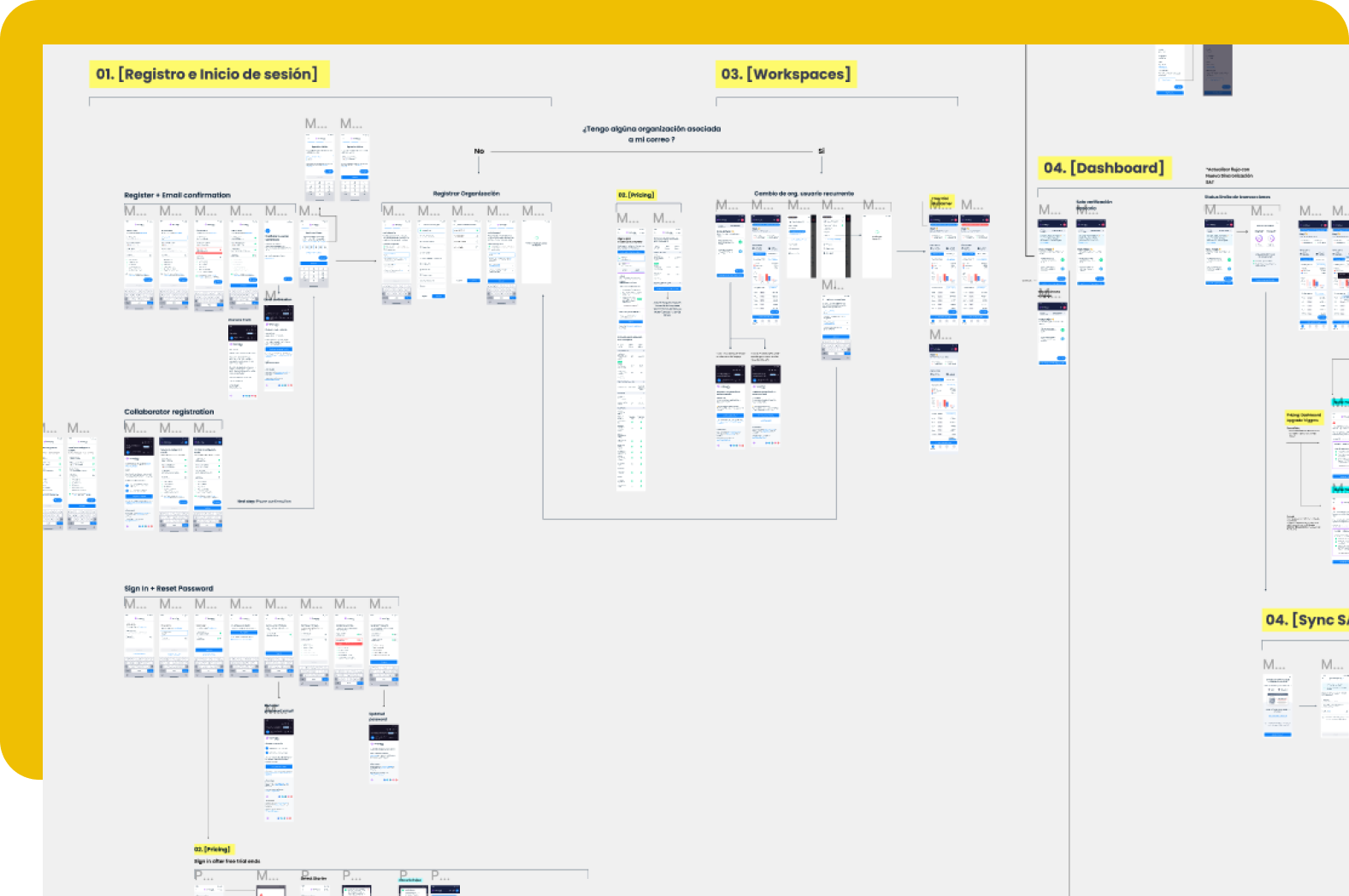
It didn’t happen overnight, it took several weeks of user interviews to properly outline the proto-persona and fine tune the user journey. After a lot of coffee and experimentation, this was the result.
Step 02: Experimentation and iteration
With a team trained to be resilient to failure, we started creating experiments and a lot of user research. Many of the experiments didn’t turn out the way we wanted but we learned a lot, with a Design System in place and increasingly anti-fragile it made us truly Agile. comenzamos a crear experimentos y mucha investigación de usuarios. Muchos de los experimentos no resultaron como quisimos pero aprendimos mucho, con un Design System en marcha y cada vez más antifragil nos hizo ser realmente Agile.
We celebrated with our users every progress, both for each job-to-be-done and for their level of transaction within Yaydoo Vendorplace. What backed it all up? Regular One-on-Ones and eyes on metrics.
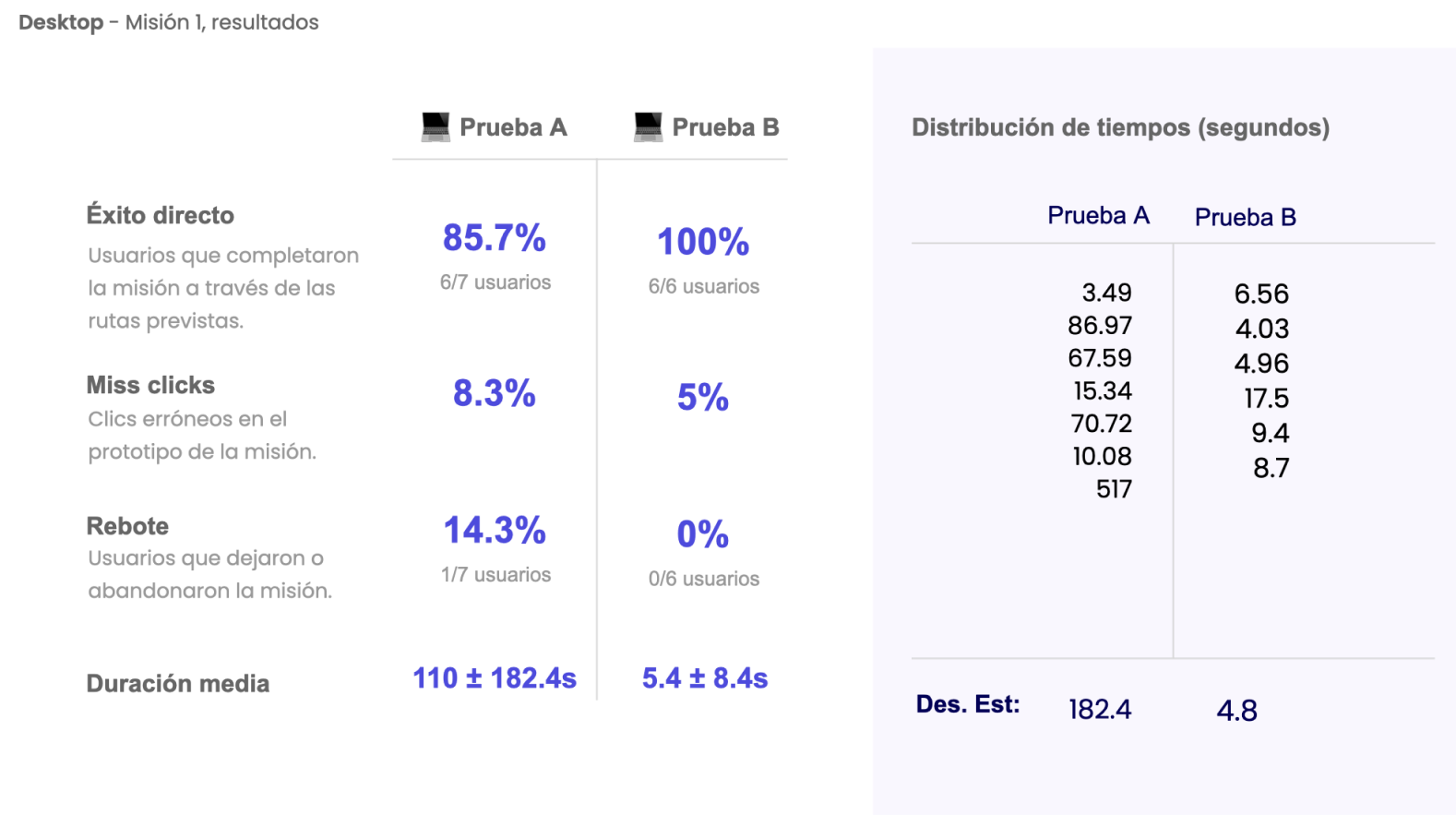
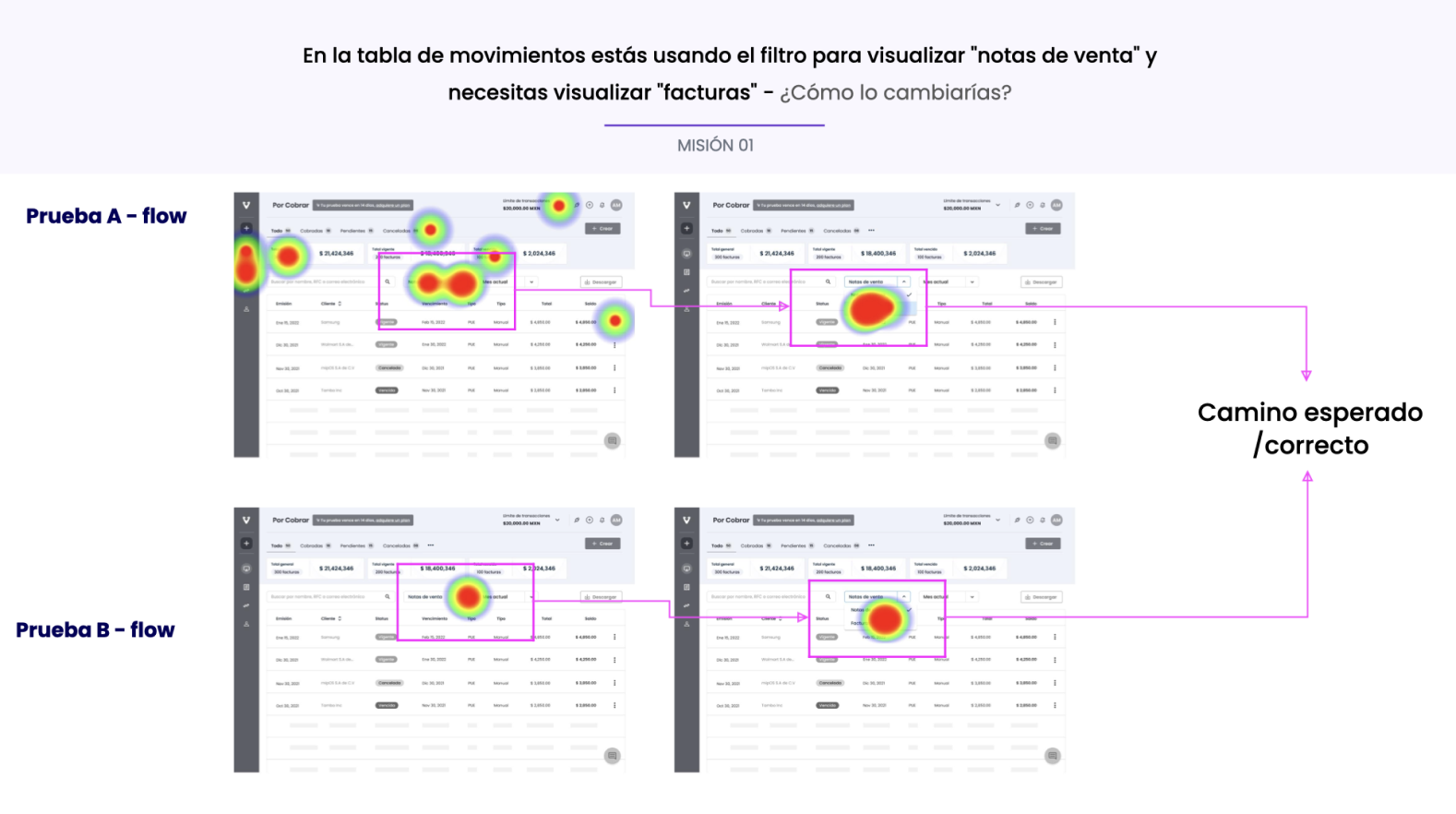
Metrics can mislead you if you don’t know how to approach them or focus on vanity metrics. Some of our key metrics are measured by tasks we needed the user to do to discover the Aha moment in less than 30 days. Here is a random example from the extensive iteration process of this product.
Making top
A better than expected results
It took us about 6 months to build the product, after 20 iterations we achieved Product-Market-Fit. Although it took several weeks of iterations and experimentation, we were able to increase product adoption by 38% and retention after Freemium by 15%.
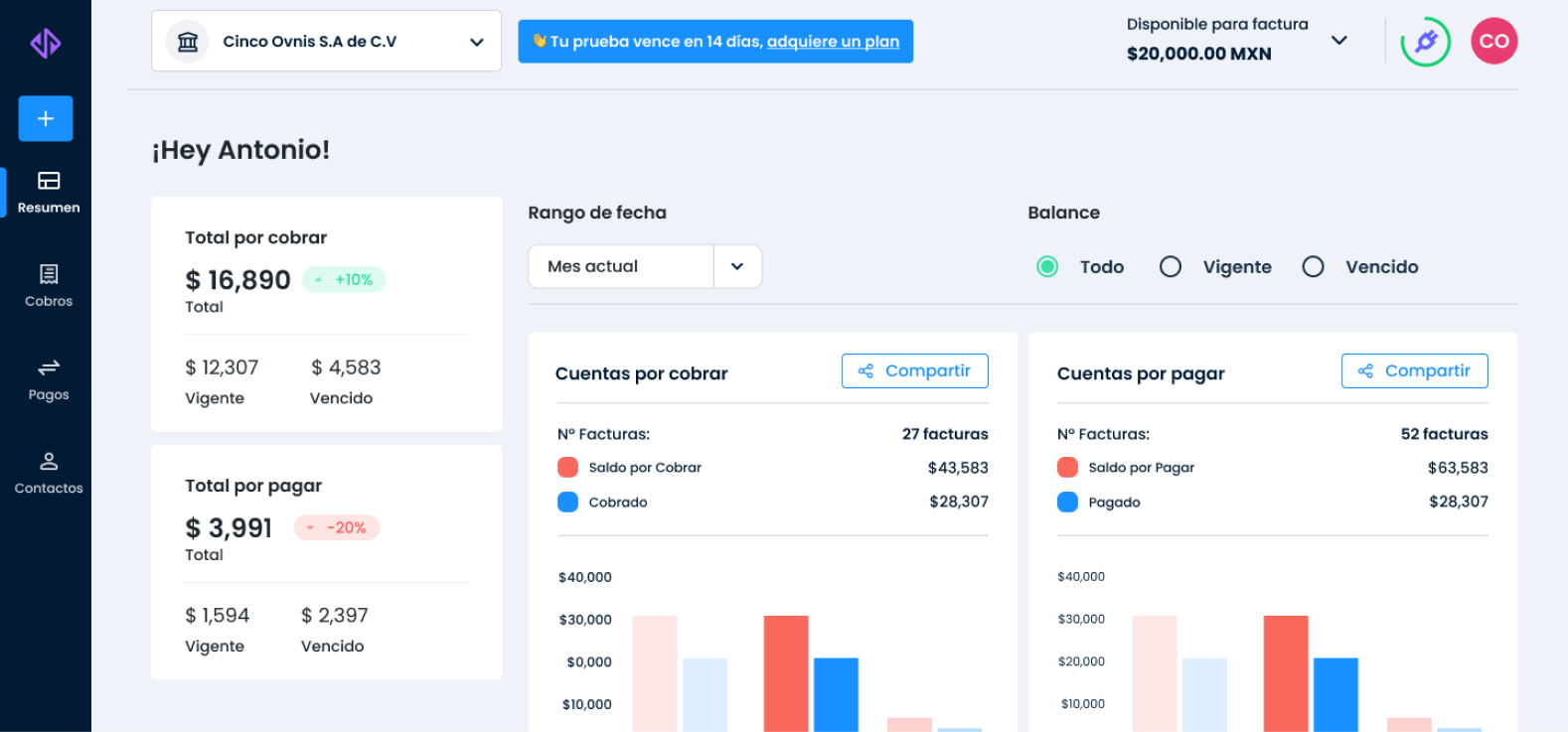
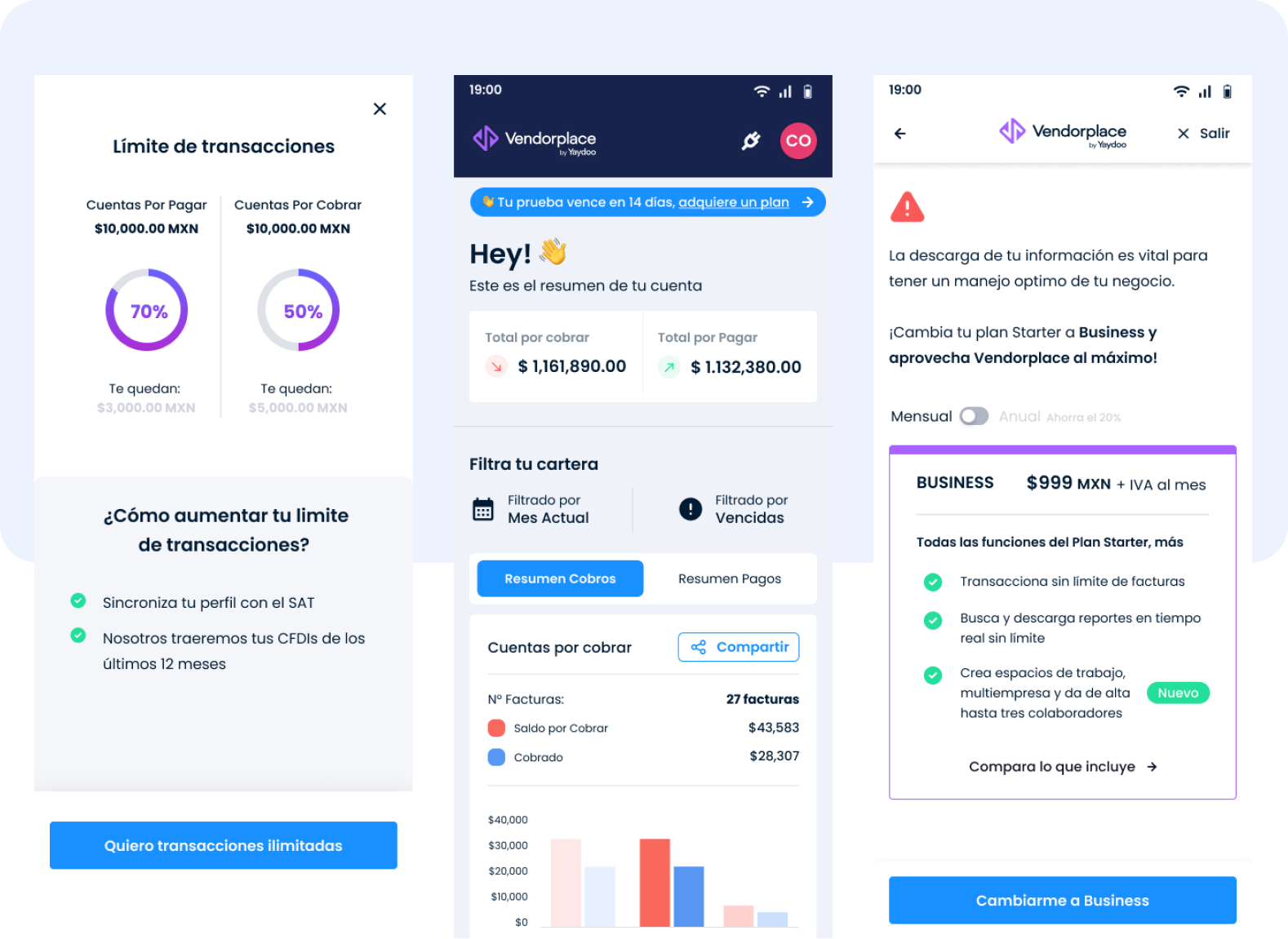
100% responsive Design Product.
Productivity: +40% of registration for 8 weeks.
Social Selling: +15% conversion rate from Freemium. 45% retention in free plan.