


Food and Delivery - SaaS
70% conversion rate of end customers
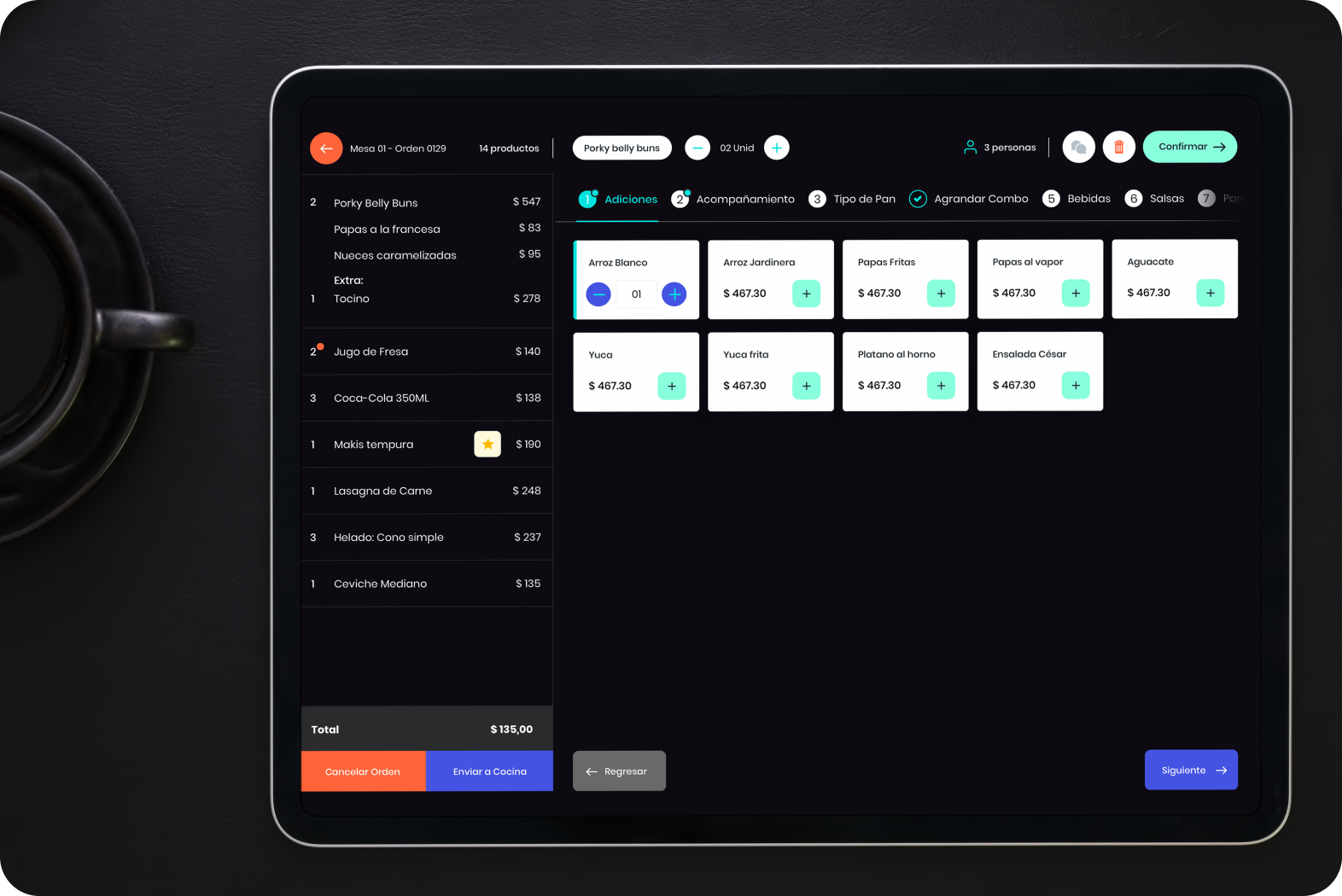
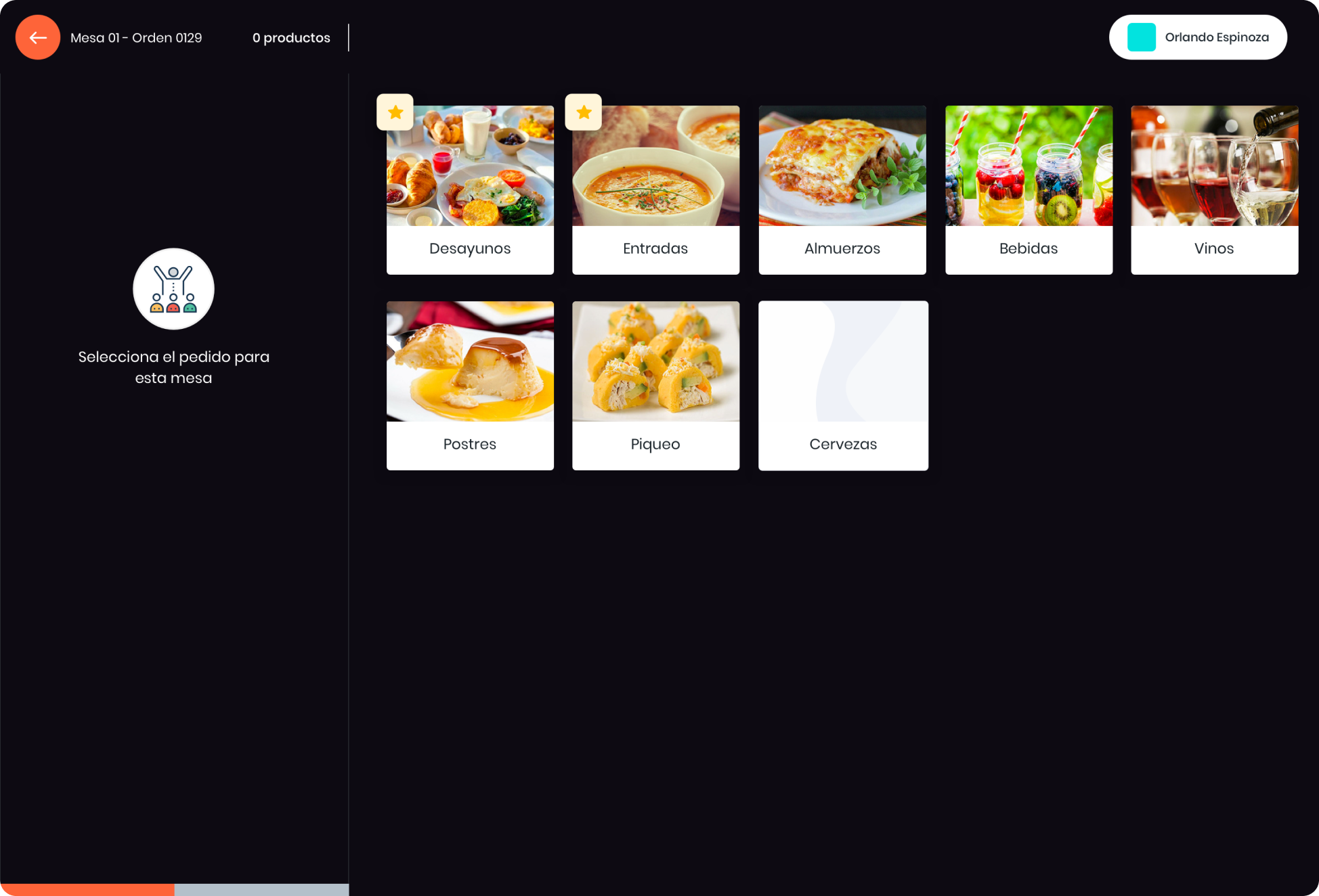
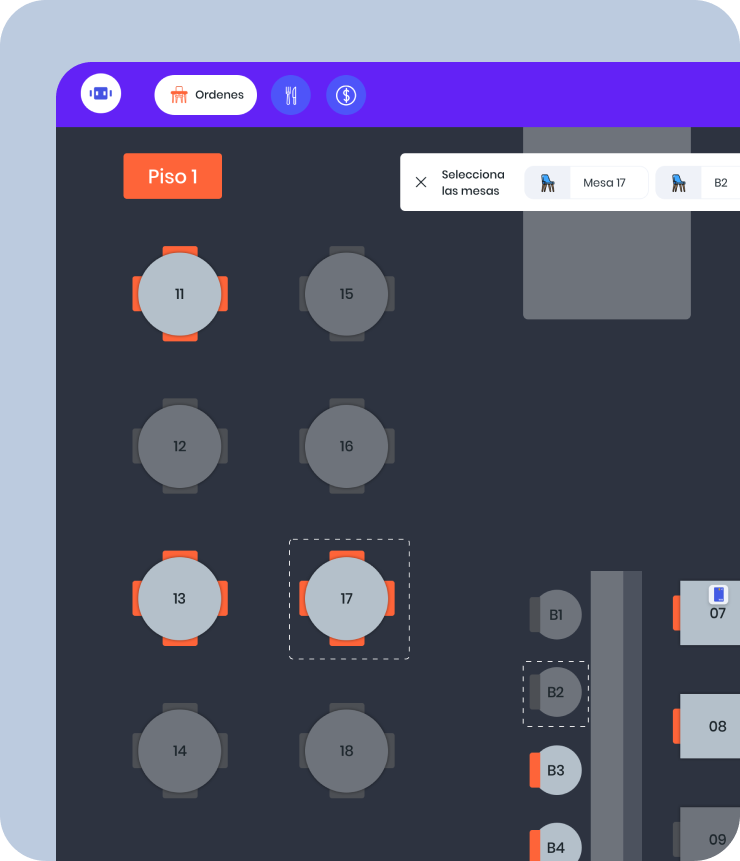
mipOS POS was born out of the need to solve two problems: fast order taking in restaurants and having a fast software that could run on any tablet. From mipOS POS waiters can clock in and out, take orders and also merge tables for very large groups.
- Challenge
Revolutionizing Restaurant Management
Most of the solutions on the market at that time were based on Windows 98 making simple things like support a complicated task. How to offer a solution that can be used from a tablet? With an easy and modern look and feel?
Results
- +70% conversion rate after Freemium.
- +67% increase in productivity when taking an order.
Team by Comandos
- 5 developers
- 1 product designer
- 1 User Research
- Adventure
Understanding a new type of user
Getting ready: Where are we? and What will we need?
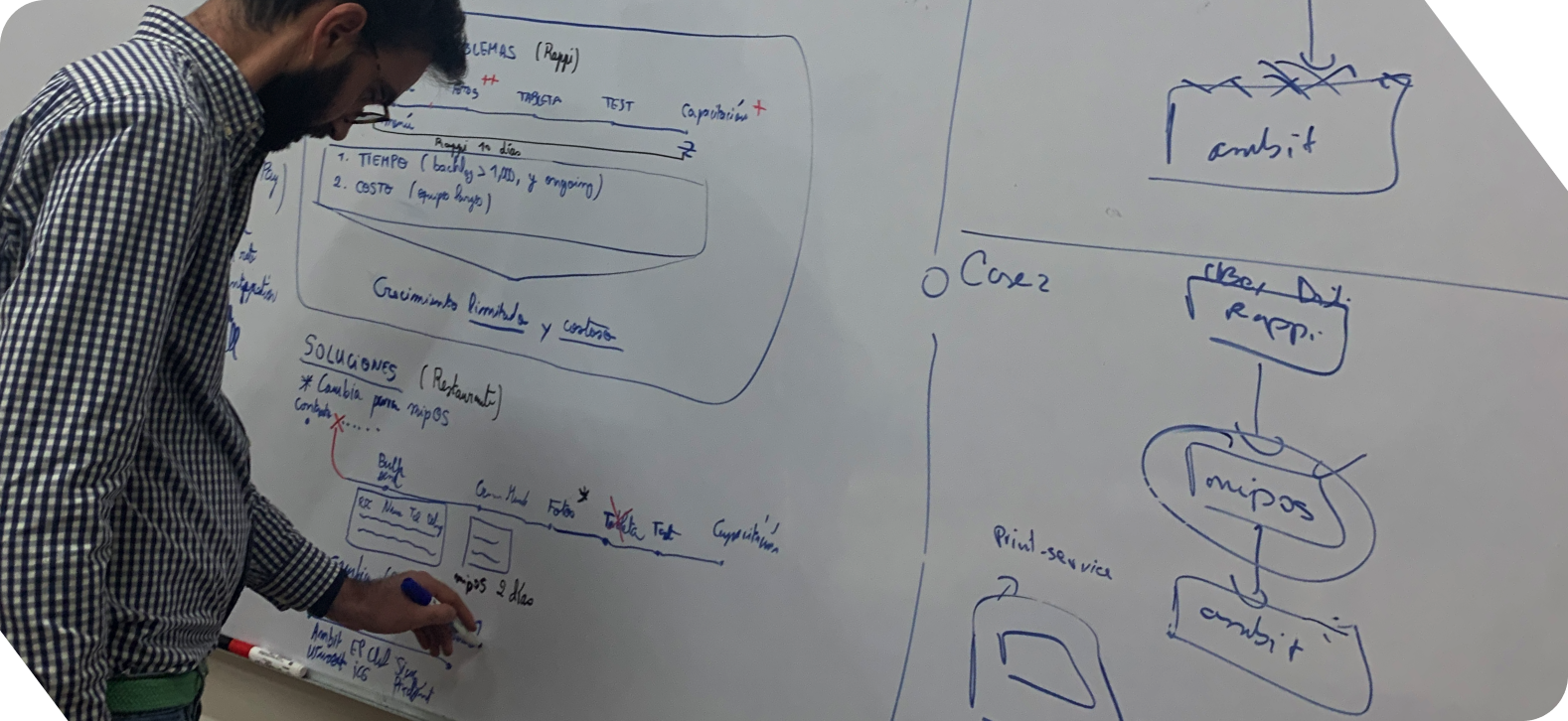
We took a whiteboard and lots of markers to organize the entire mipOS POS experience. It was key to identify key integrations, imperative restaurant needs and, above all, the engineering constraints to accomplish such an ambitious plan in just a few weeks.
We focused on acquisition, retention and portability. Because it’s a different user experience on an iPad than on an inexpensive tablet.
- Seeing the mountain
Where shall we start this adventure?
We were competing with big brands that were very well positioned at the time, we focused on 3 pillars:
- Activation: How do we shorten restaurant activation times in mipOS?
- Retention: What do restaurants really need?
- Sales: Restaurants have key dishes they need to promote. How do you know which dish is the most profitable?
Step 01: The chicken or the egg?
To start was to make prioritization decisions: Do we develop the table and order control module, or something where the restaurant has visibility and control of what is going on?
Taking into account that the restaurant manager is the one who pays for mipOS but what would give us product adoption was the table and order control module. We decided to go for the latter and that the manager’s module would be automated from a base that was filled manually in the first stage.
The Table and Order Control module was first developed and validated in a high fidelity prototype that gave the impression of being programmed. After validation and iteration, it was moved to engineering.
Step 02: Context of mipOS POS according to usage
In our research, we noticed two important findings: Some restaurants had a somewhat dark ambience and a light design that caused eyestrain. Also, waiters were mostly right-handed and, according to established industry patterns, their right hand caused the order summary to be hidden.
A before and after of mipOS Kiosk. The first idea of mipOS vs our MVP in one of the first tests we made while we were solving some bugs.
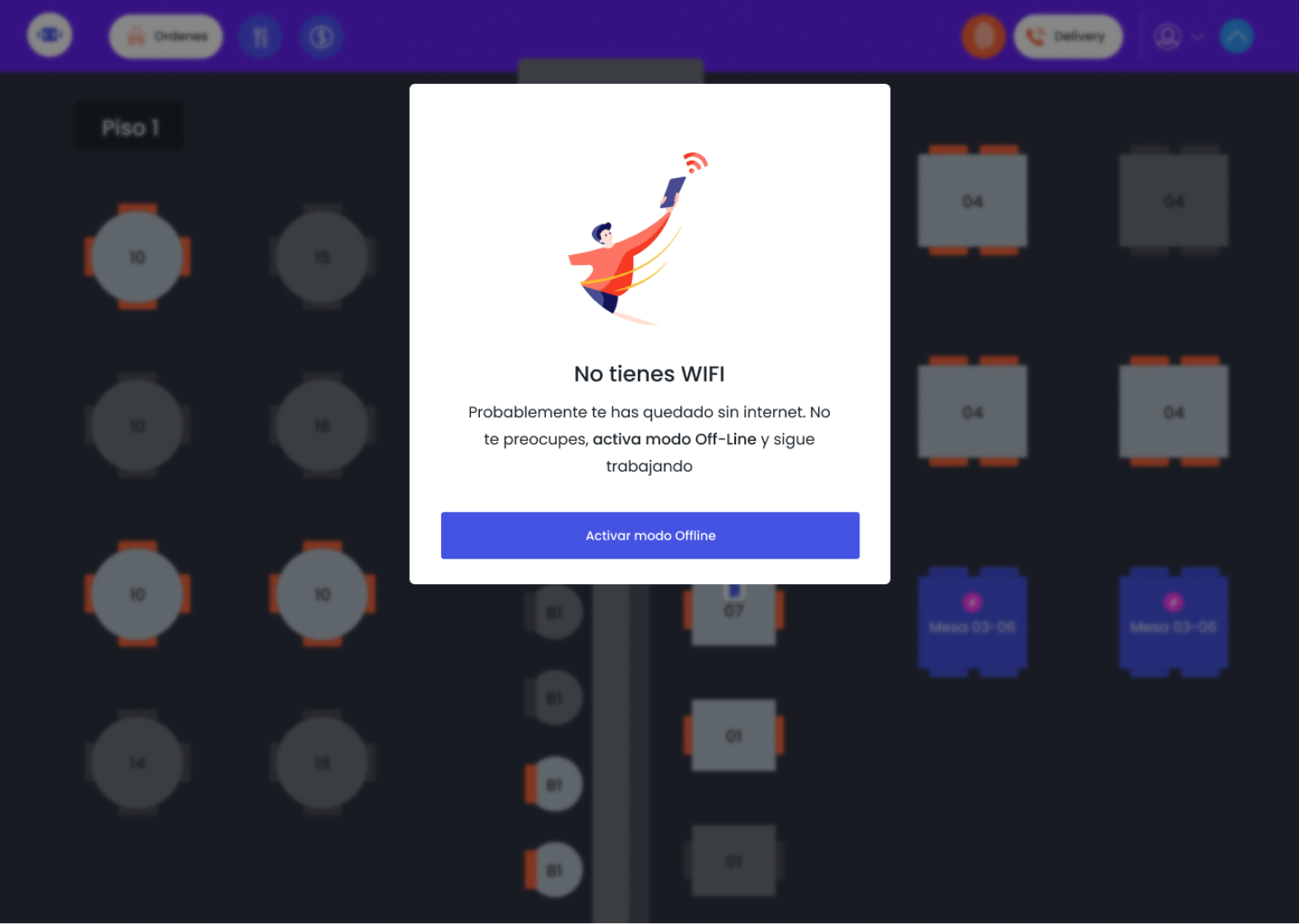
Together with mipOS engineering we develop experiences for rare moments: I’m managing a table and suddenly I lose internet connection.
- Making top
A great product in an underserved niche
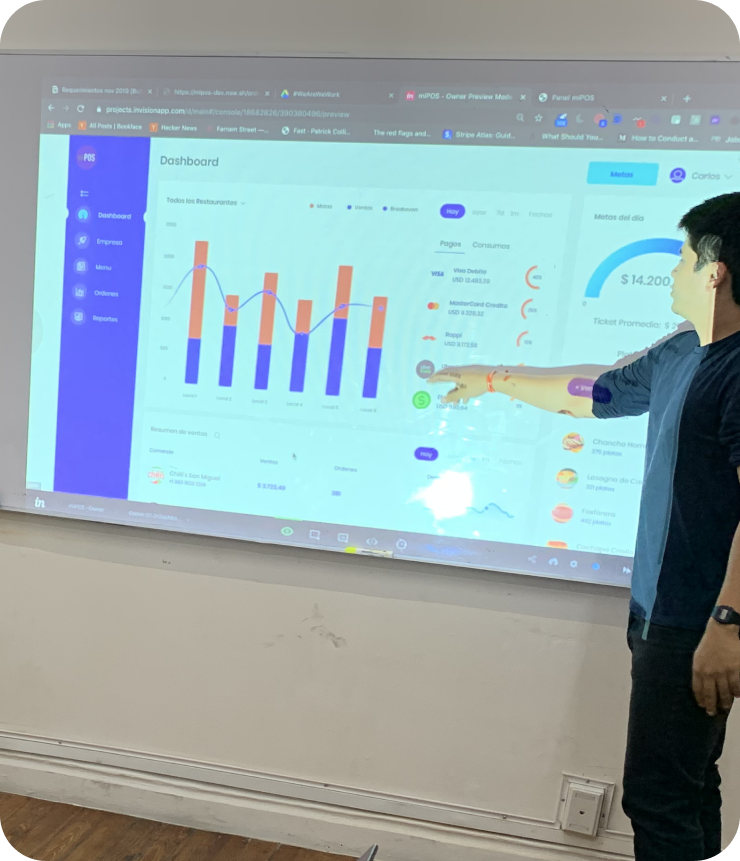
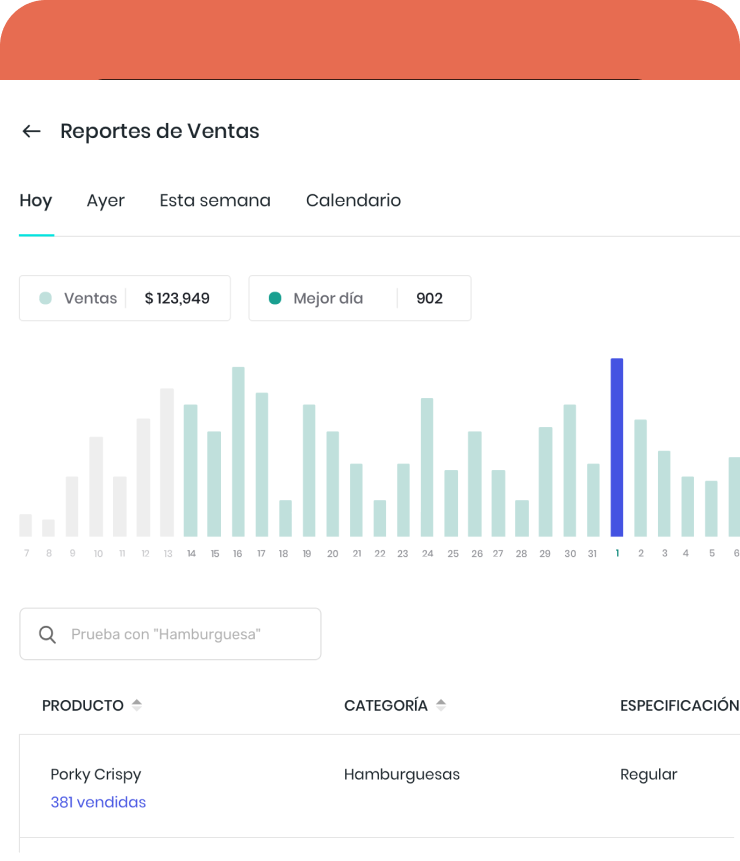
After a lot of usability testing, prototyping and rapid iterations we were very proud of what we delivered. We developed a sales reporting module for Restaurant Management and reduced up to 36% of errors when taking an order.
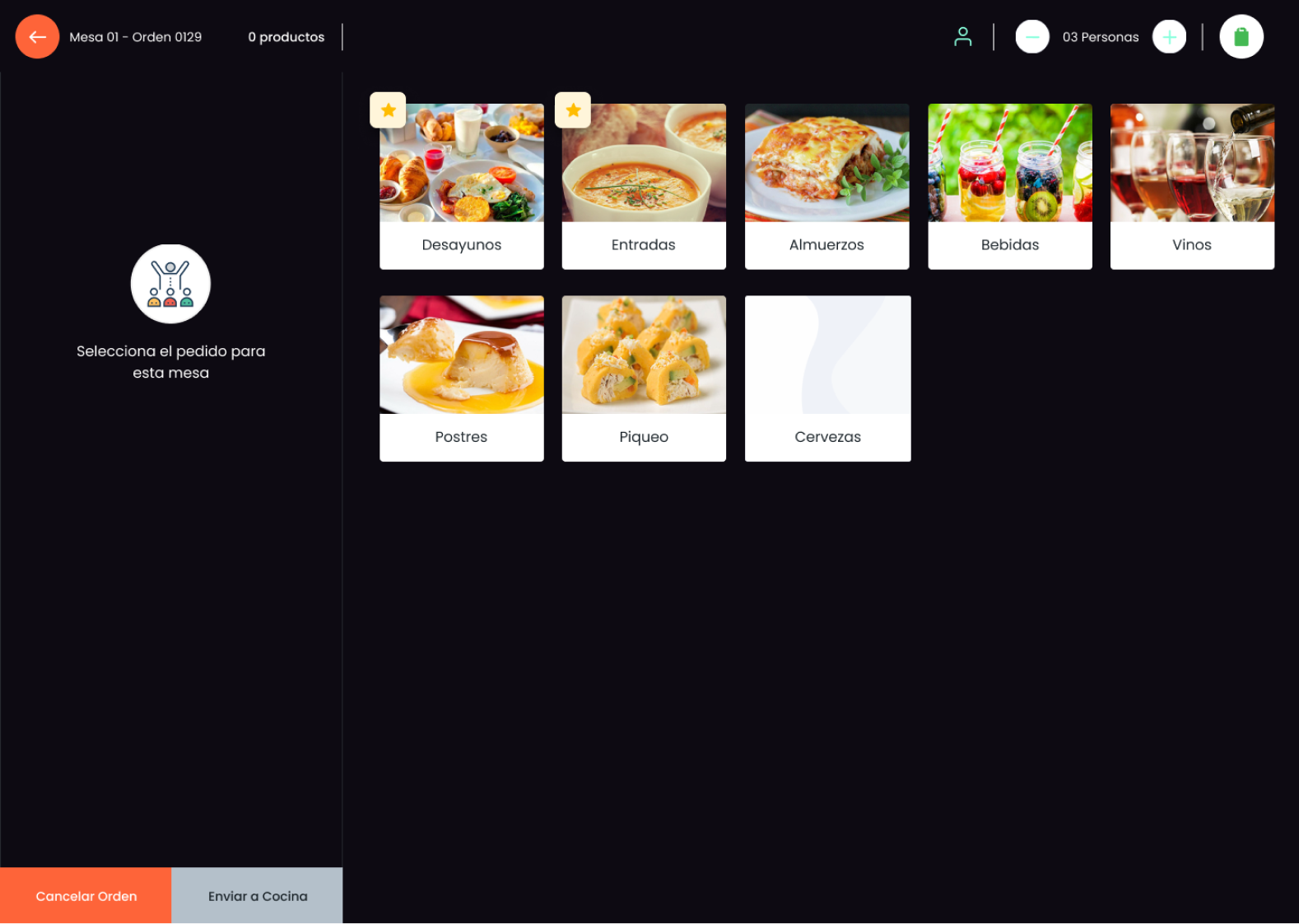
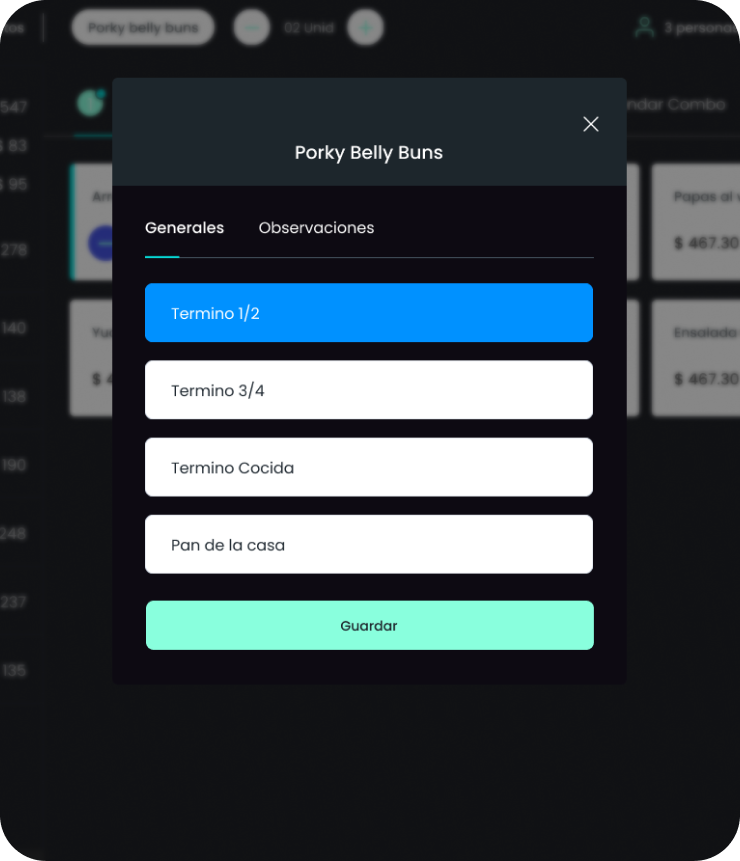
The entire menu is customizable according to the category of the dish. Do you prefer the meat of your Porky Belly Buns in Term 1/2?
- A product adapted to work on any tablet.
- Retention: 70% after 30-day trial period.
- Productivity: +60% in order taking speed.
We make possible,
What seems to be impossible
StoriStori Inversión+ Case Study: +477% Activation
Democratize returns with easy, guided investing and time-locked accounts. Offer tiered yields, goal-based locks
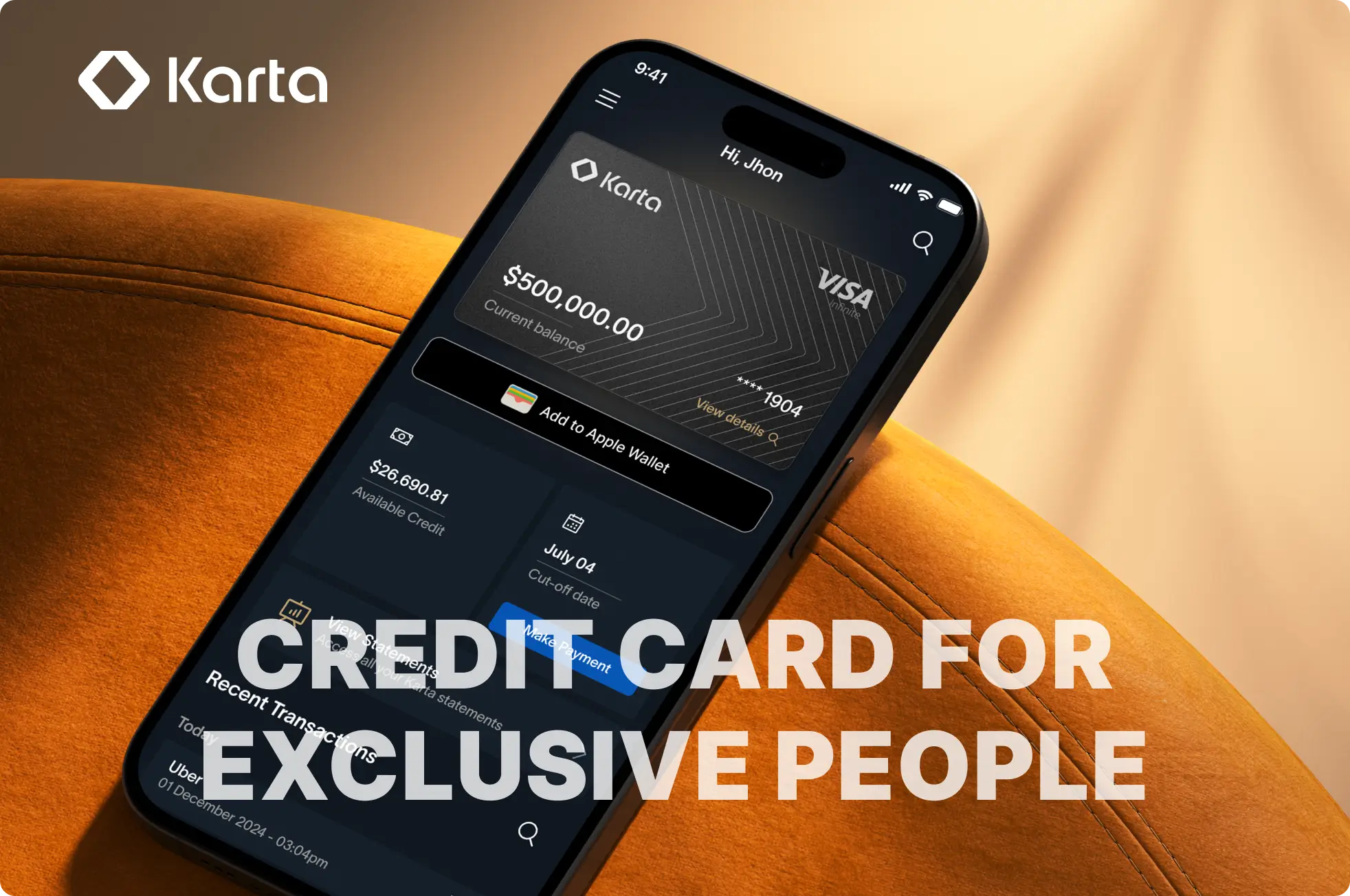
KartaKarta App Case Study: Premium Credit Card UX
Product design for Karta's premium credit card app. WhatsApp concierge integration, investment-backed payments, and 85% lower fees.

KartaKarta Card Design Case Study: AI Metal Credit Card
Industrial and brand design for Karta's physical credit card. 17g metal card with AI features and premium finish.
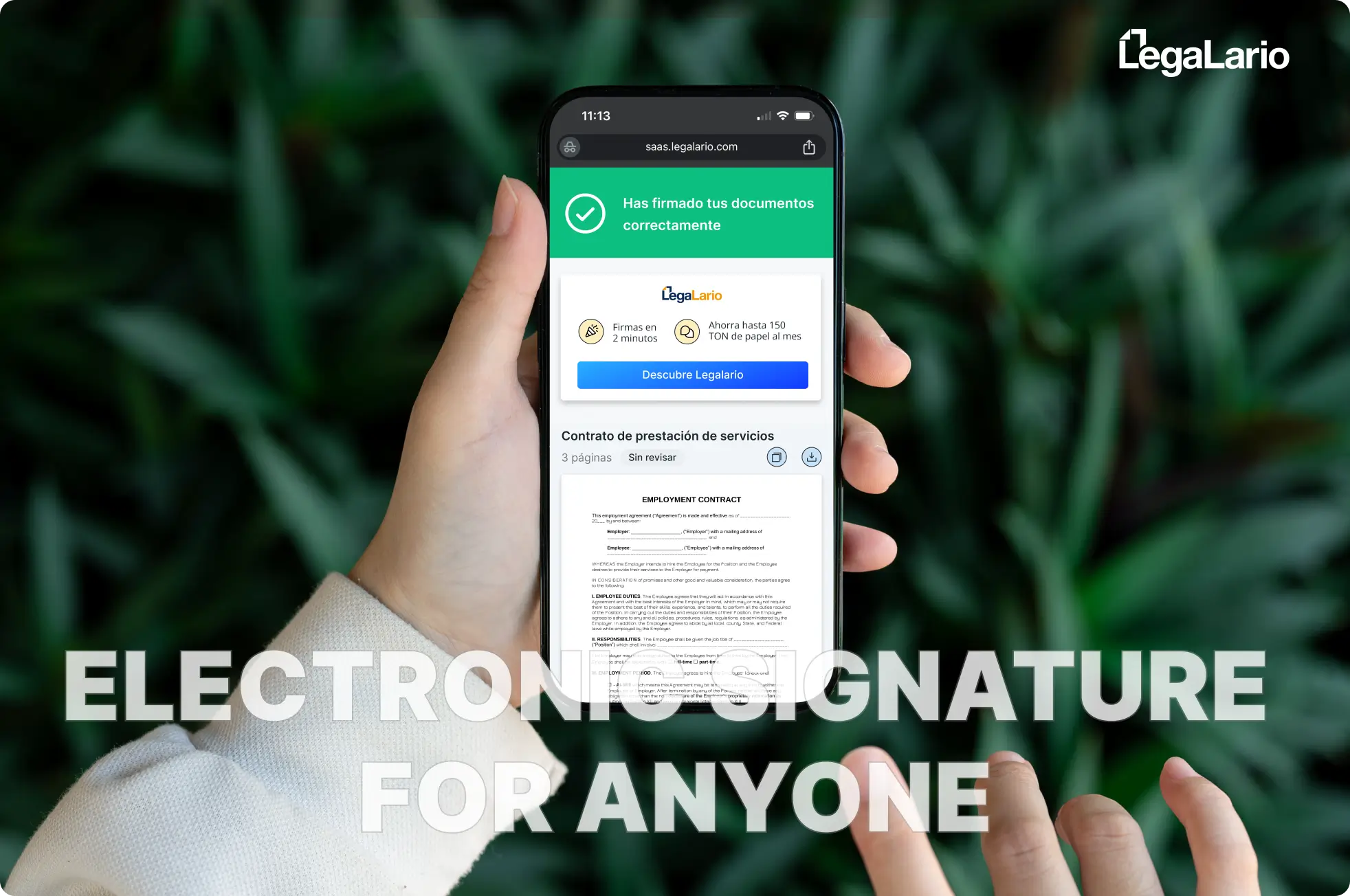
LegalarioLegalario Case Study: 99% E-Signature Completion
Product design for Legalario's electronic signature platform. Achieved 99% completion rate, +24% NPS, 4 biometric models and iBeta.
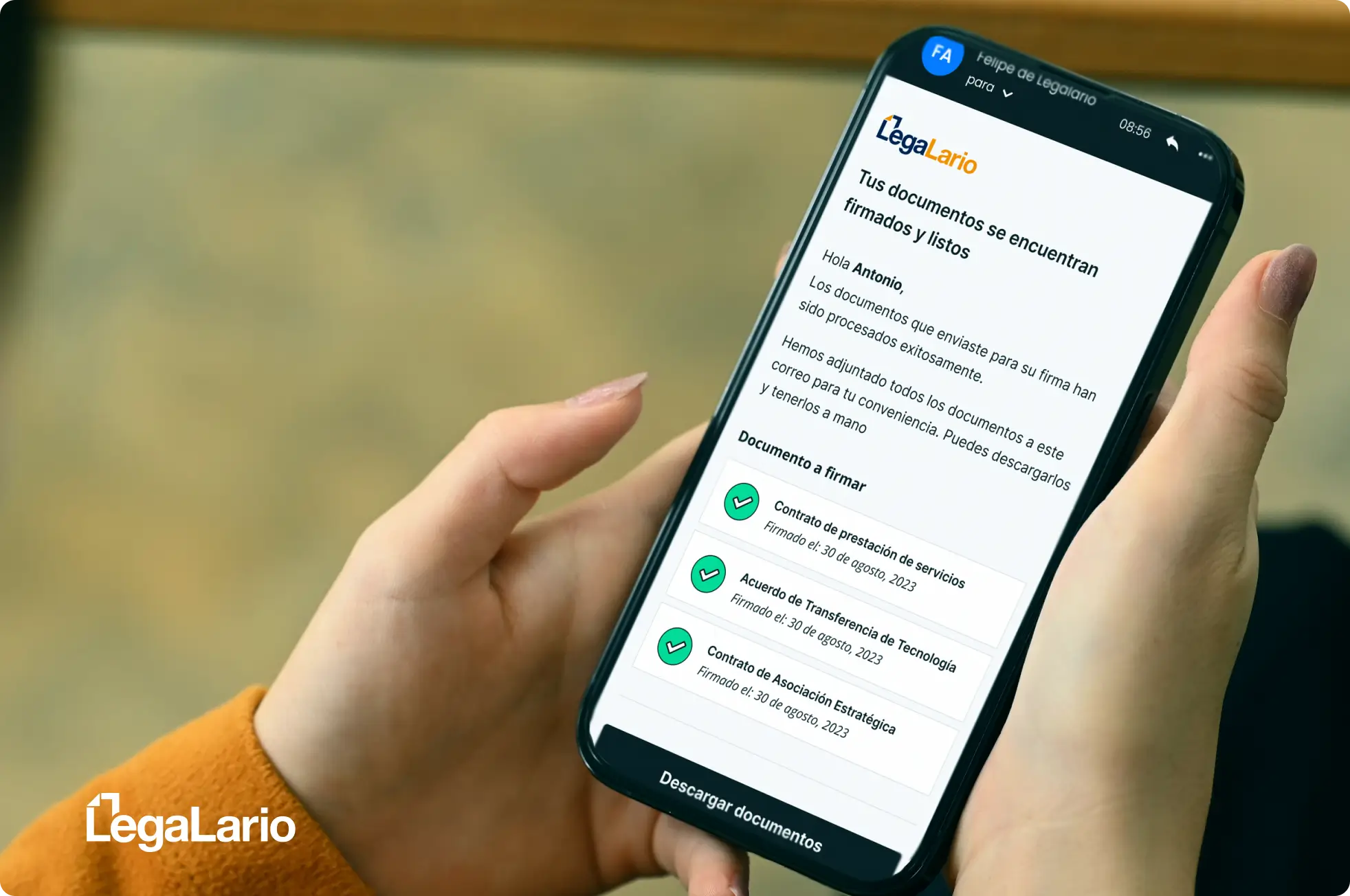
LegalarioLegalario Emails Case Study: Electronic Signature for anyone
Email redesign for Legalario's e-signature platform. Previous emails looked like spam. We redesigned invitations, reminders, and confirmation
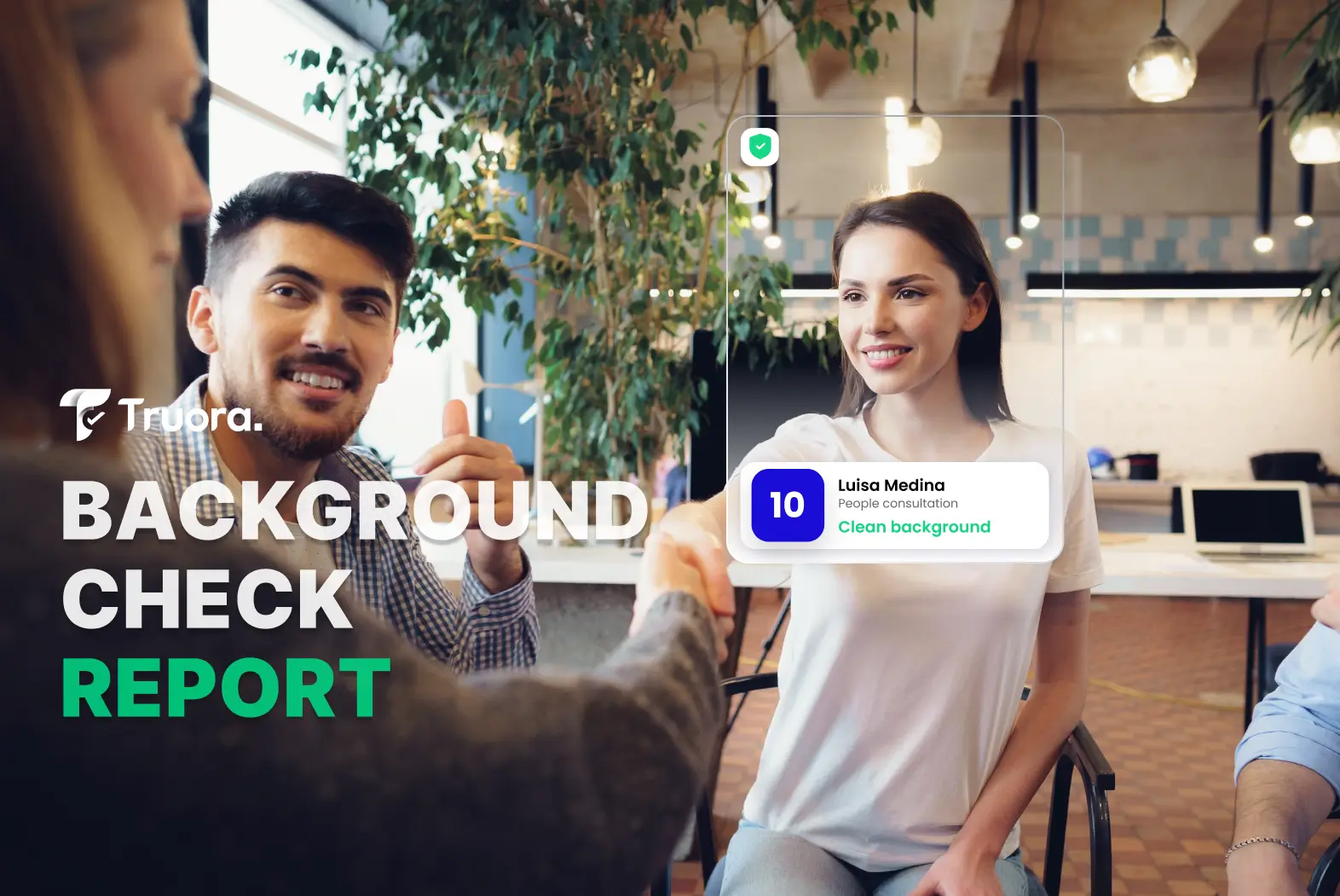
TruoraTruora Report Case Study: -50% Reading Time
Design case study for Truora's background check PDF report. Redesigned for non-technical users. Results: -50% reading time, +85% satisfaction
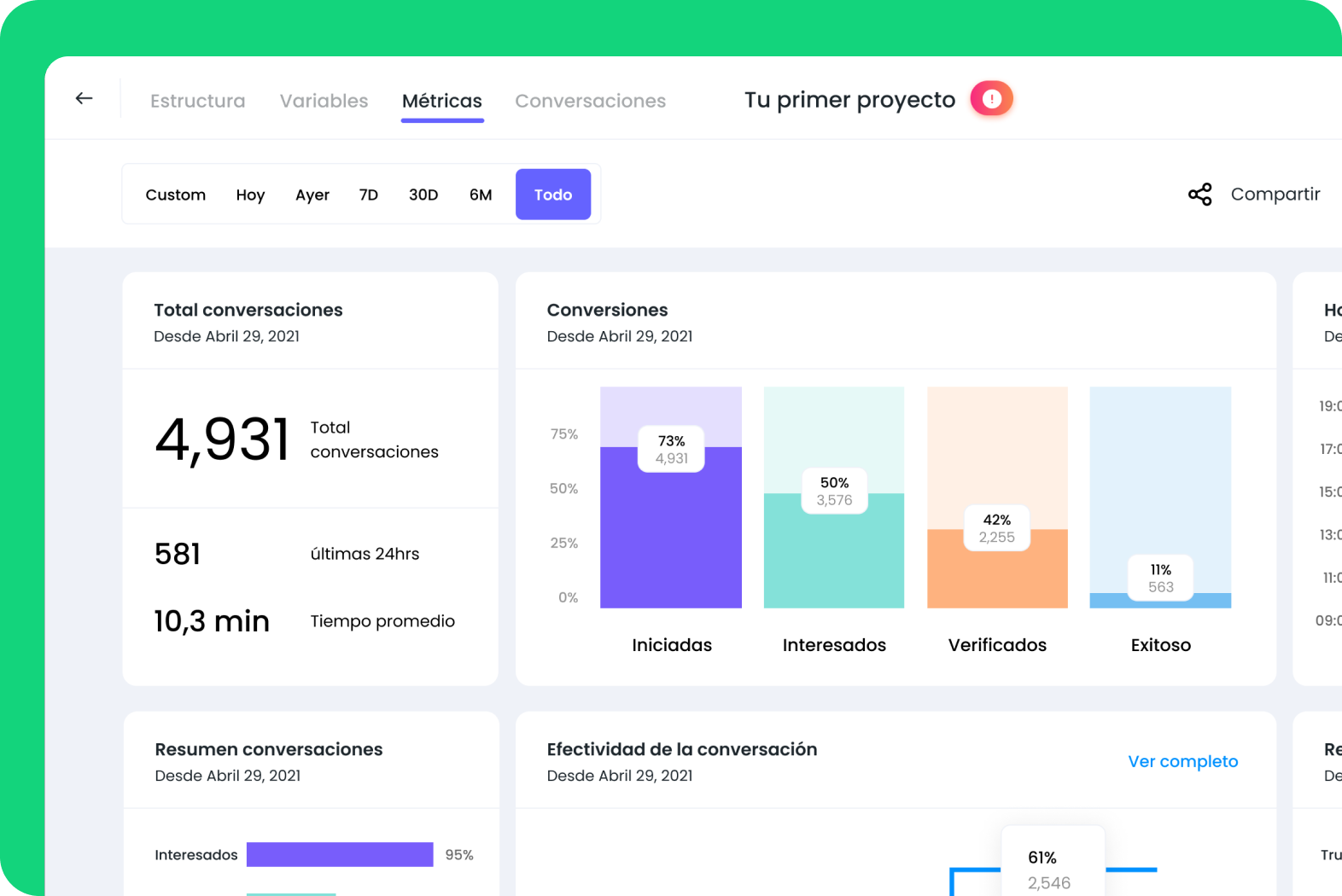
TruoraTruora TruConnect Case Study: WhatsApp Onboarding MVP
MVP for Truora TruConnect — a WhatsApp-based onboarding tool with chatbot conversations and biometric verification. Built MVP in 3 months
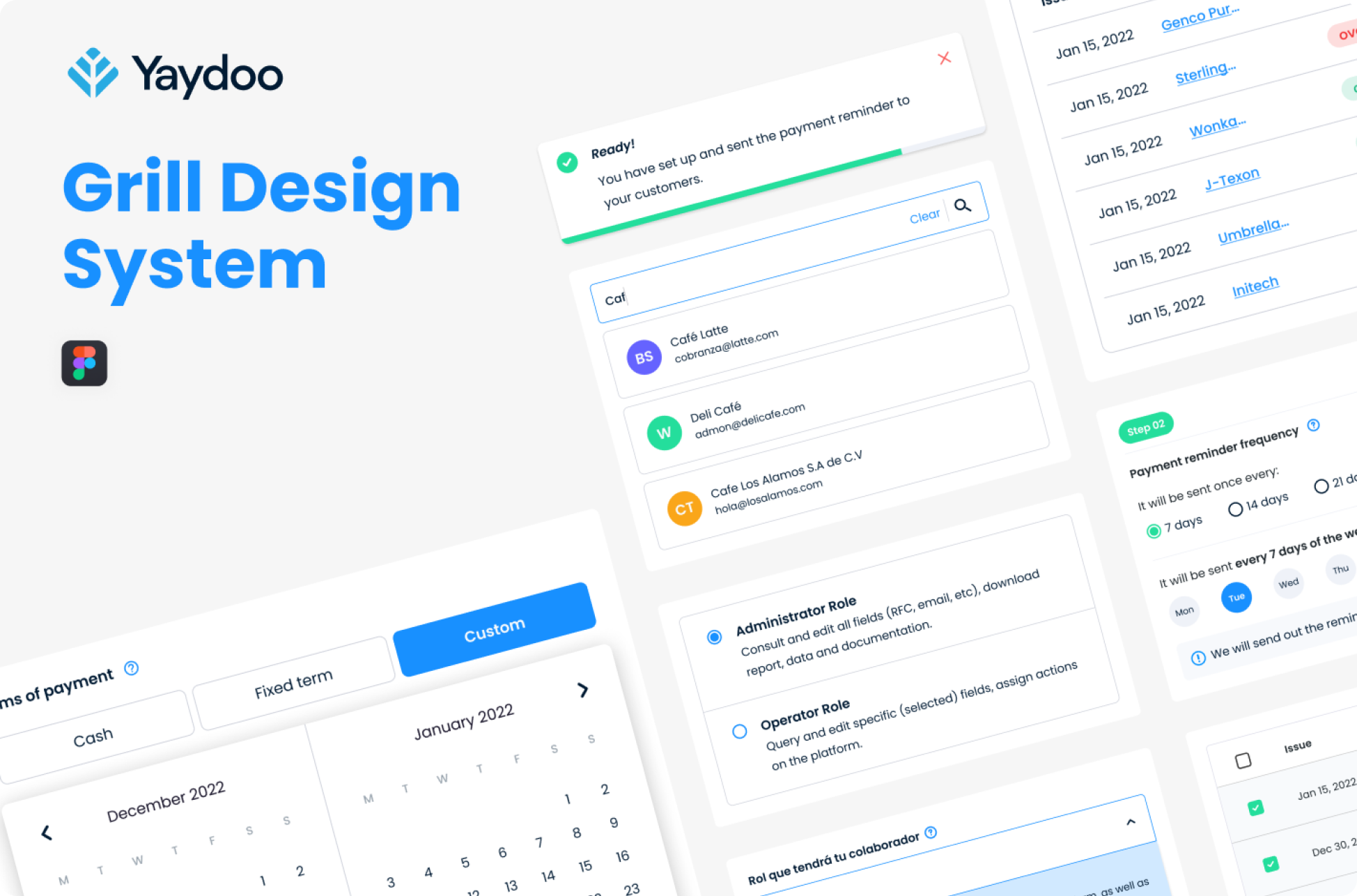
YaydooYaydoo Design System: +40% Productivity in 3 Months
Design system for Yaydoo. Organized 6+ products with brand and usability inconsistencies. Built Grill Design System with engineering team.
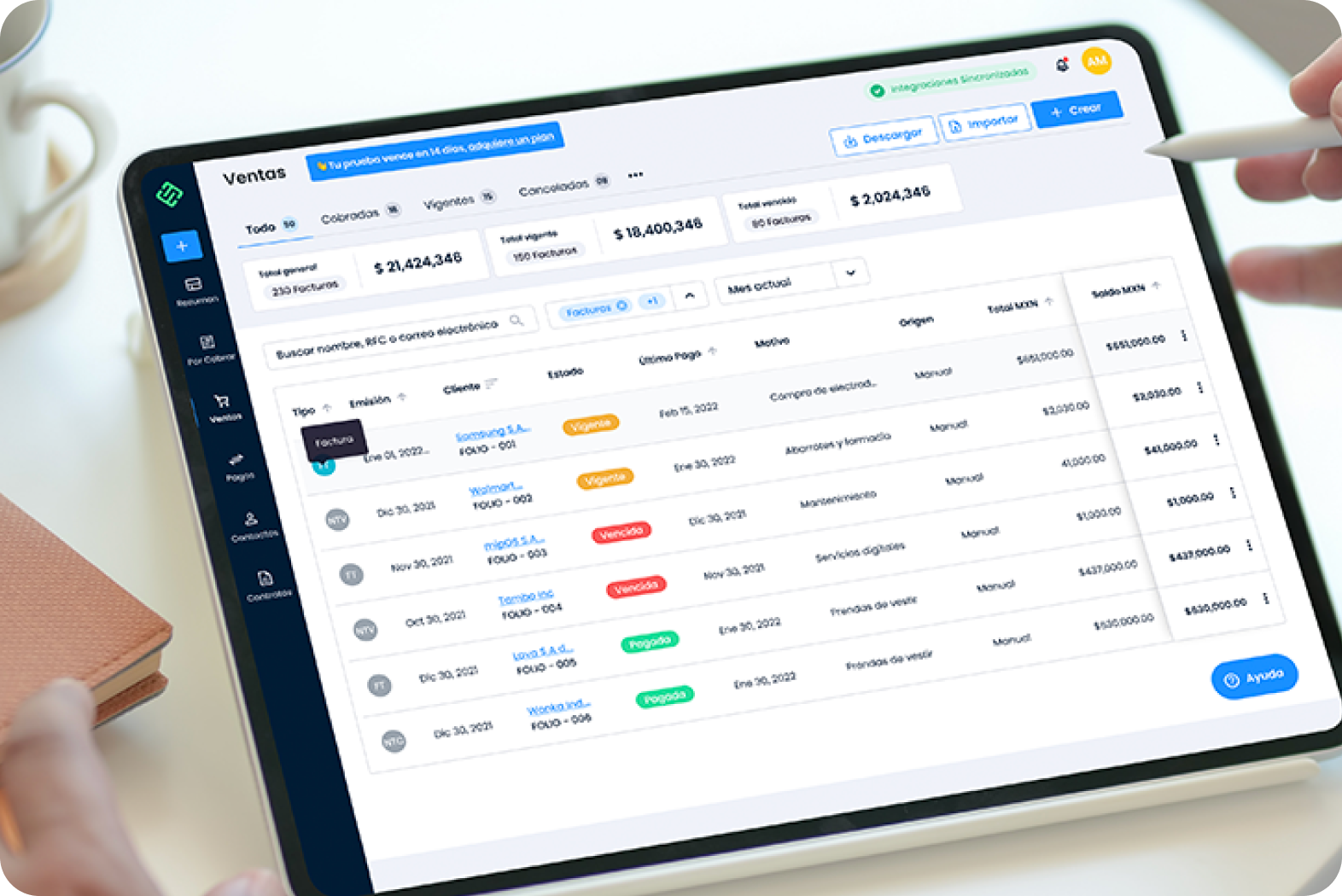
Yaydoo porCobrarYaydoo porCobrar: +40% New Users in 1 Week
UX redesign for Yaydoo porCobrar, a 2-year-old financial logbook product. Improved user experience drove +40% new user growth in one week.
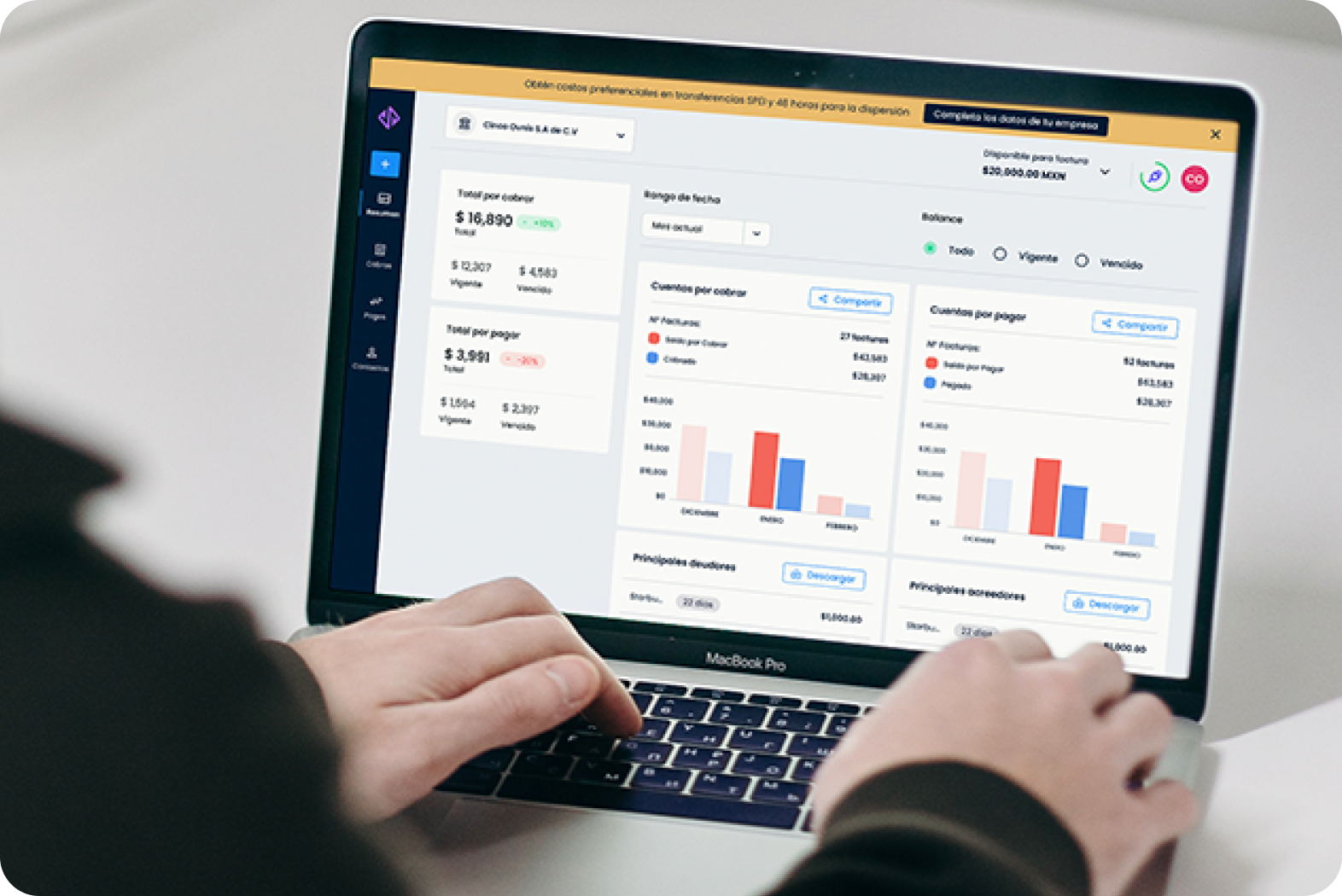
Yaydoo VendorplaceYaydoo Vendorplace: 2× User Registrations
UX optimization for Yaydoo Vendorplace during product-market fit phase. More than doubled registered users and improved retention by 15%.
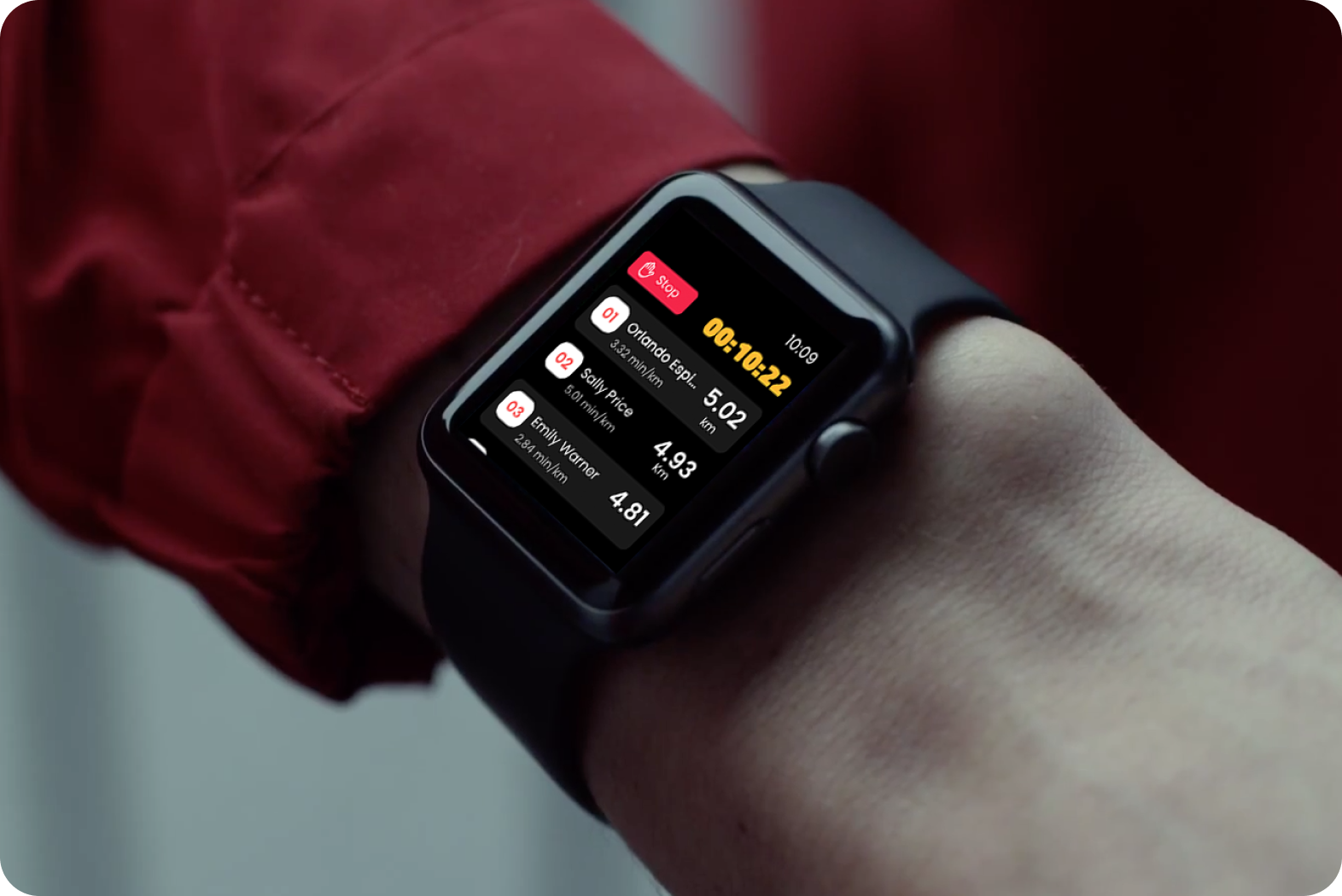
StadioStadio Case Study: Apple Watch Running App
Product design for Stadio, a social running app for Apple Watch. 30% new runner adoption in two weeks during the pandemic.
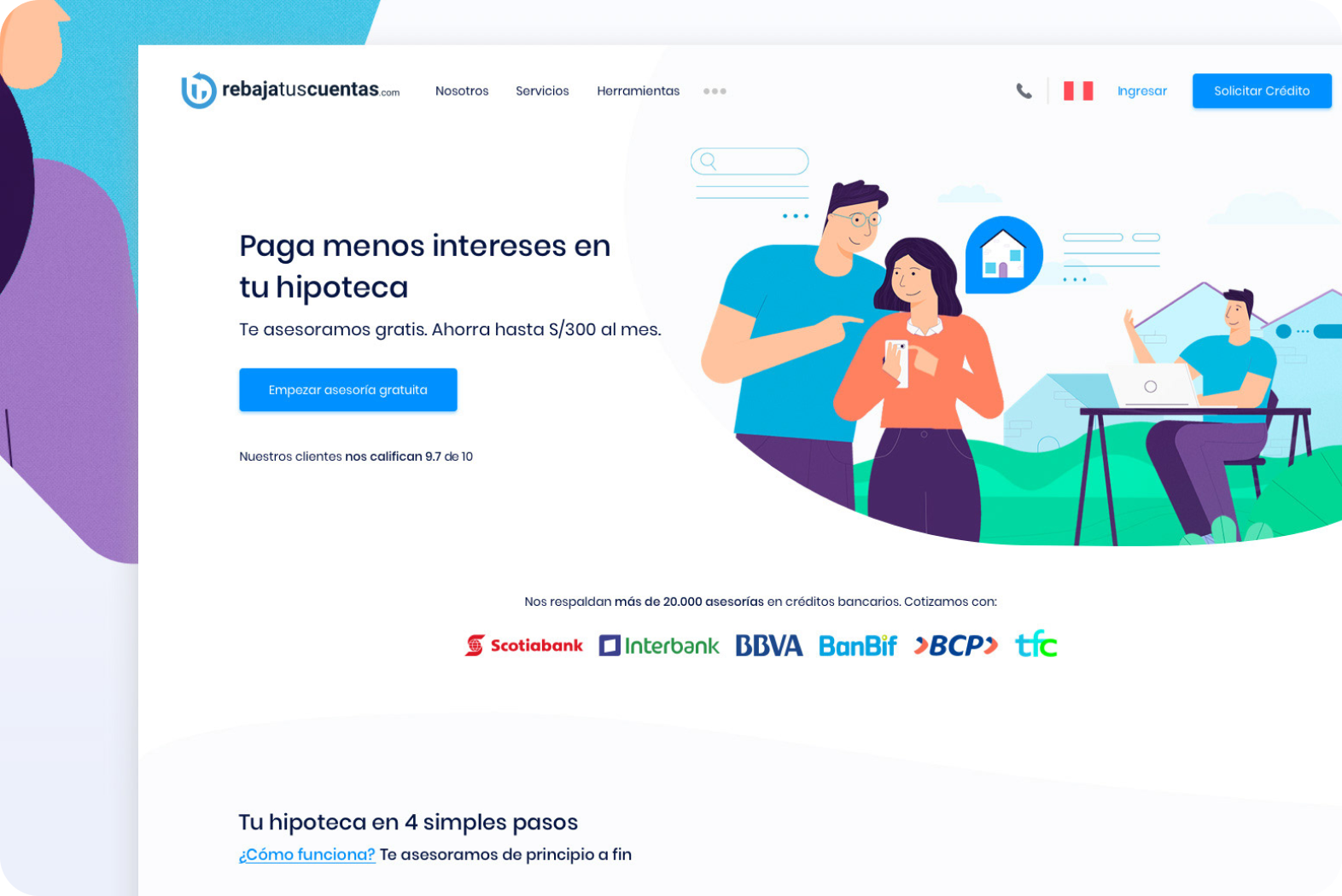
RebajaTusCuentasRebajaTusCuentas: +300% Growth, 3 Countries
PropTech product design for RebajaTusCuentas, a mortgage comparison platform. Full UX redesign drove +300% growth and expansion from Peru
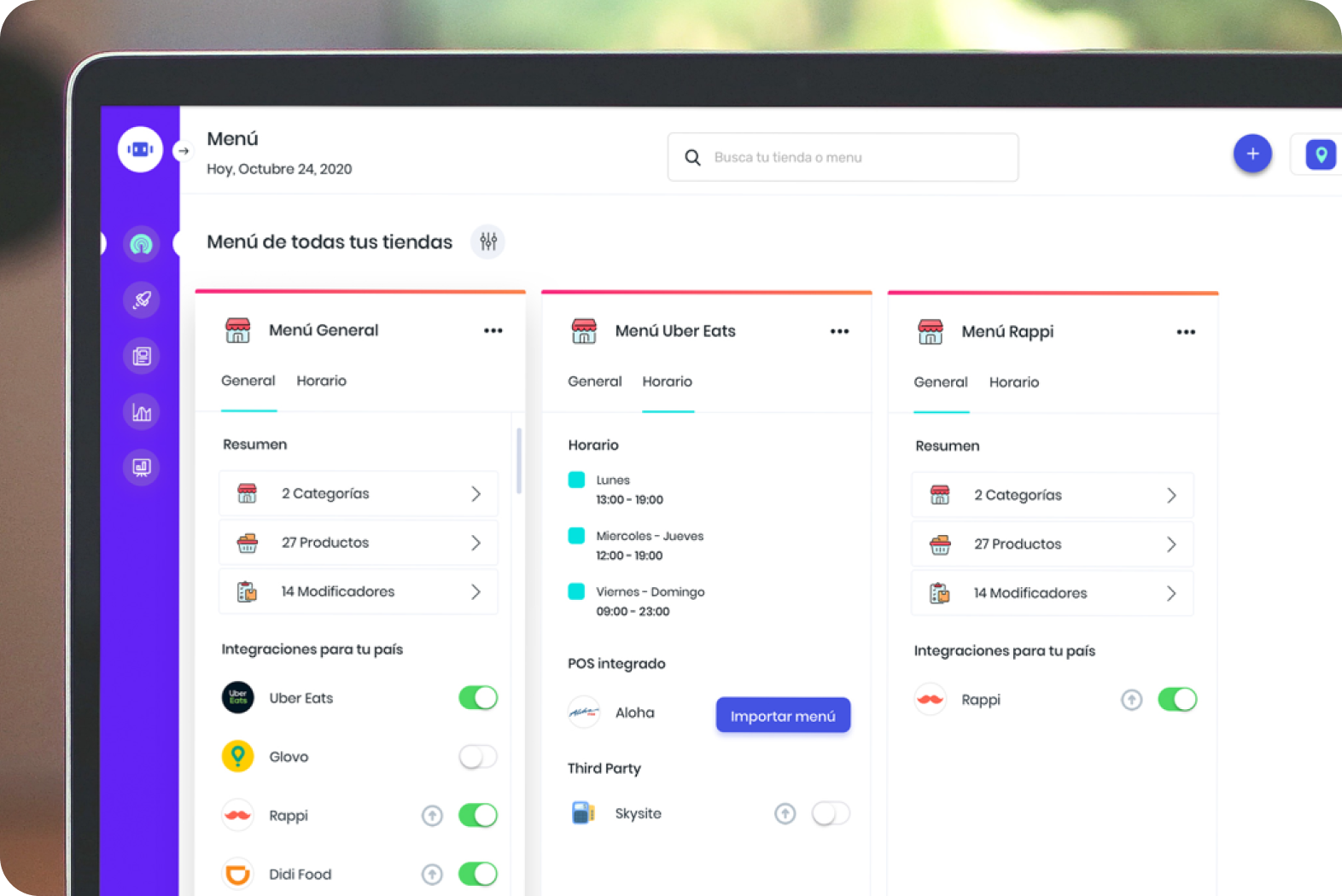
mipOS Dark KitchenmipOS Dark Kitchen: +400% Productivity
FoodTech product design for mipOS Dark Kitchen. Consolidated 40+ tablets from Uber Eats, Rappi, and Didi Food into one screen.
mipOS RestaurantsmipOS Restaurant POS: 70% Conversion Rate
POS system design for the next generation of restaurants. Modern point-of-sale supporting legacy operating systems.