mipOS Kiosko is a solution for restaurants that have a high frequency of customers ordering takeaway food and ordering it from the establishment. Kisoko allows you to take the order and pay in one go.
Challenge
A revolutionary product for its time
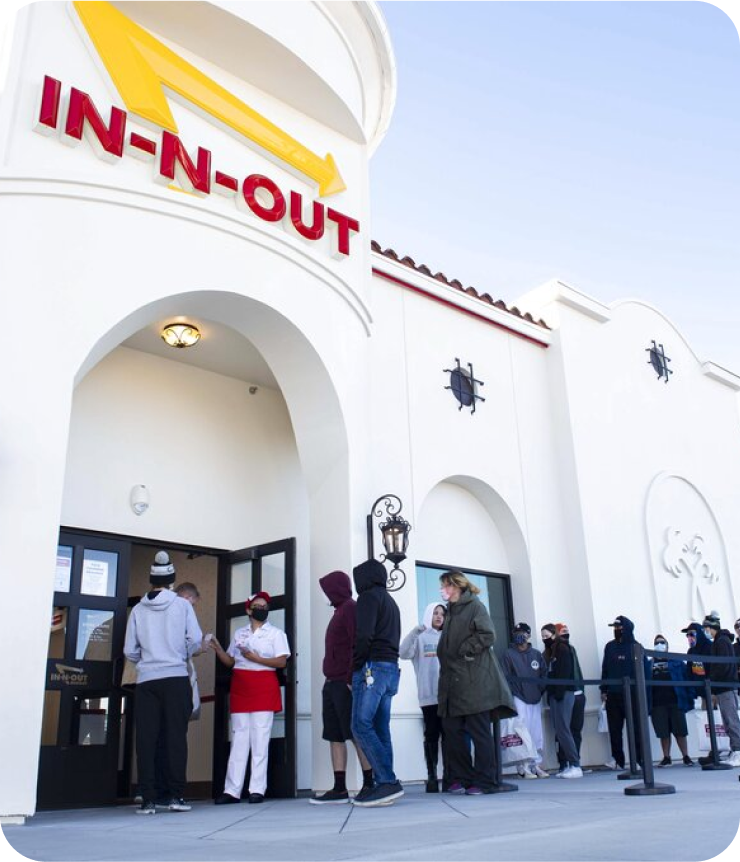
Fast food restaurants with a high frequency of customers in which, in the midst of a pandemic, they are seeking to cater to the delivery or take-out order segment. How to do it in the midst of a pandemic? Will users be able to order what they want without feeling neglected?
Getting ready: Where are we? and What will we need?
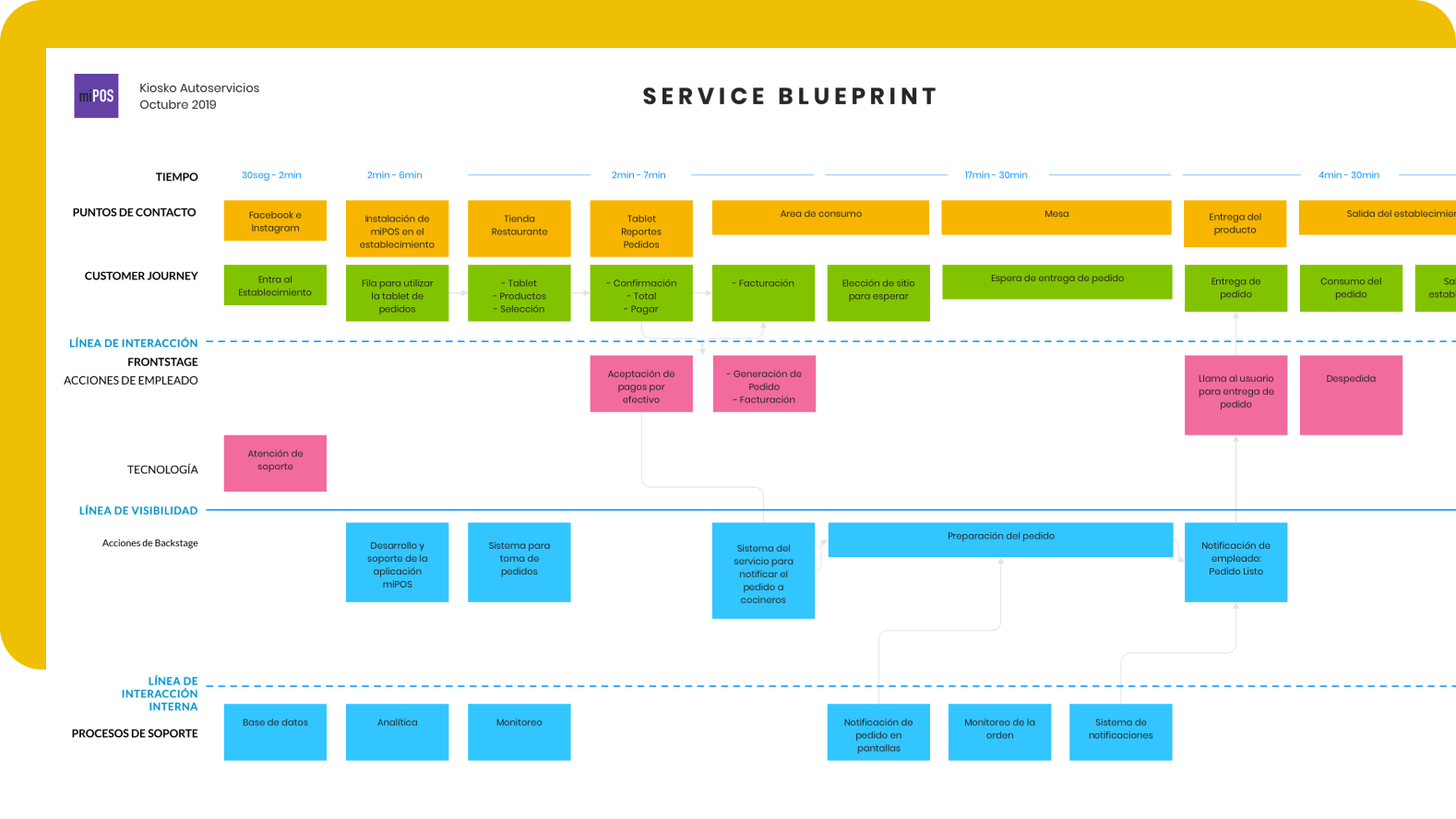
Taking the pandemic as the main context of the whole experience, we started mapping everything we needed through a Service Blueprint. We quickly became aware of some user scenarios: Mothers with children who had to take orders while caring for restless children, seniors who felt that their order was not being taken correctly. We were already seeing several key user-persons in this experience.
With only 6 weeks to get the MVP ready to run the pilots, we focused on creating a super user-friendly product, adoption and retention of mipOS Kiosko.
Seeing the mountain
Where shall we start this adventure?
With very little time but curiosity for this product, we focused on 3 key opportunities:
Product Adoption: Will people feel that the attention is not warm?
Retention:What must happen for people to prefer to order on a screen and not wait in line?
Refer:Being a new product for non-human care, will users recommend it rather than queue?
Step 01: Defining an ambitious North Star Metric
Our North Star Metric was simple: Volume of orders placed from a Kiosk that were delivered in less than 5 minutes. And why did we decide to handle it this way? Through user research we realized that we needed to offer a sense of advantage versus customers standing in line.
We took into account that the bulk of payments were made in cash but we considered alliances with FinTech to give the product an extra push in its first phase of adoption.
Step 02: Under what technology?
We opted for a native ROKU development to support any kind of screens and make this product the most friendly for restaurants of any size.
Our focus: A product that can be used by any touch device so that restaurants of any size could adopt it.
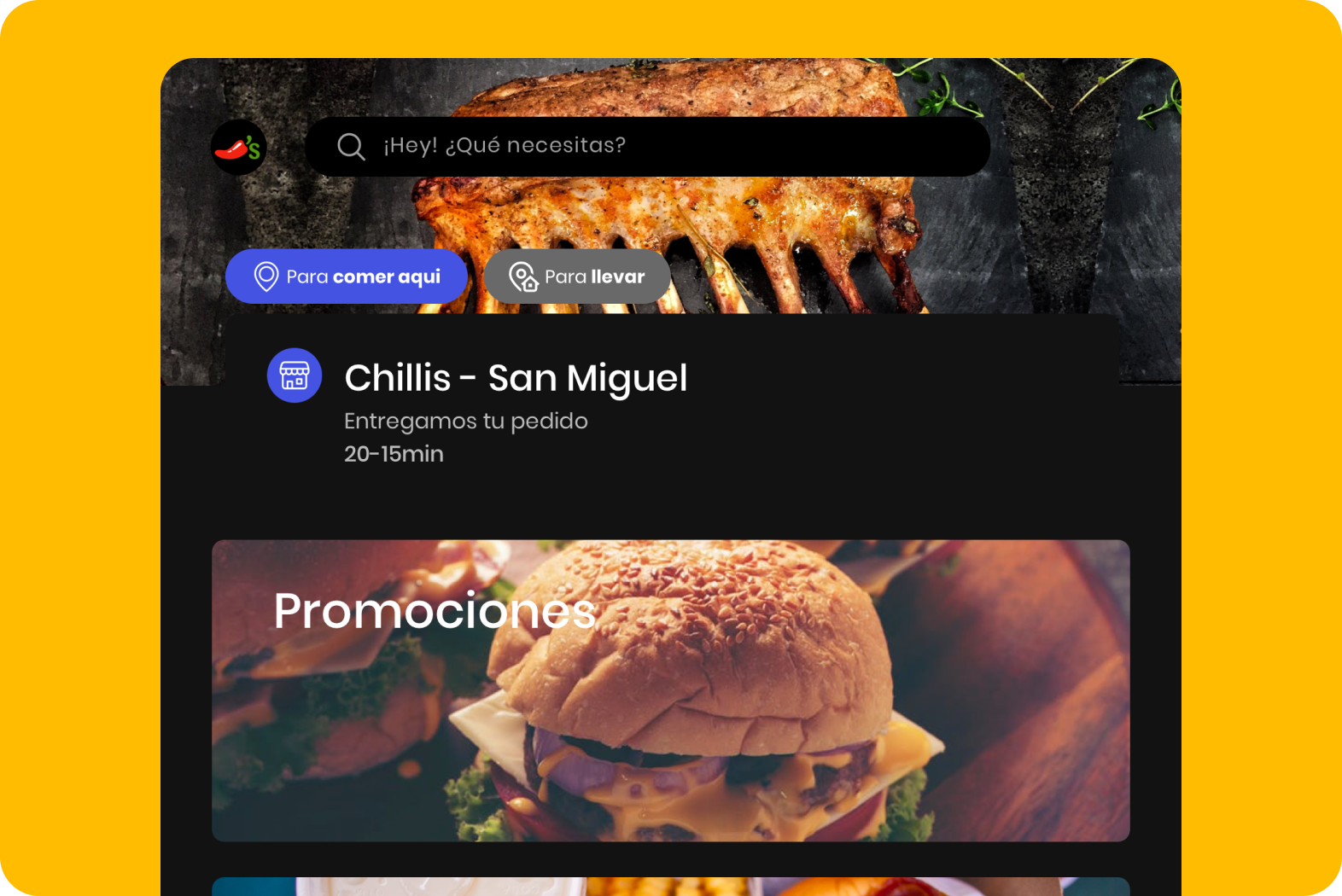
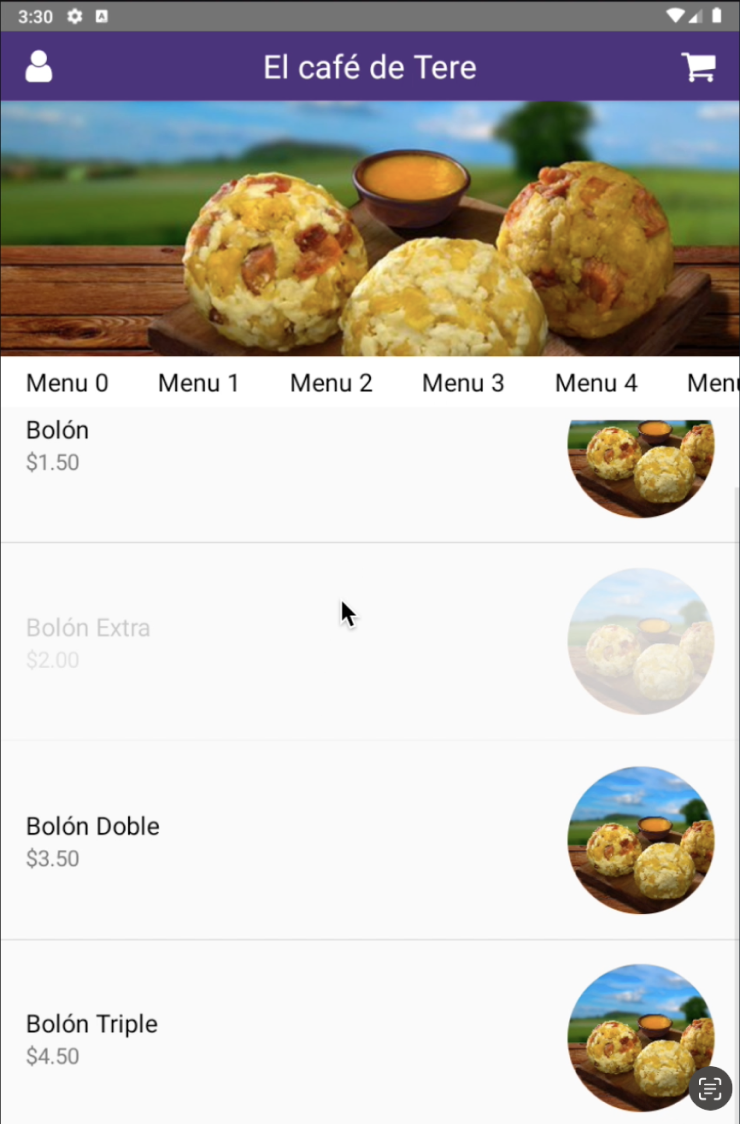
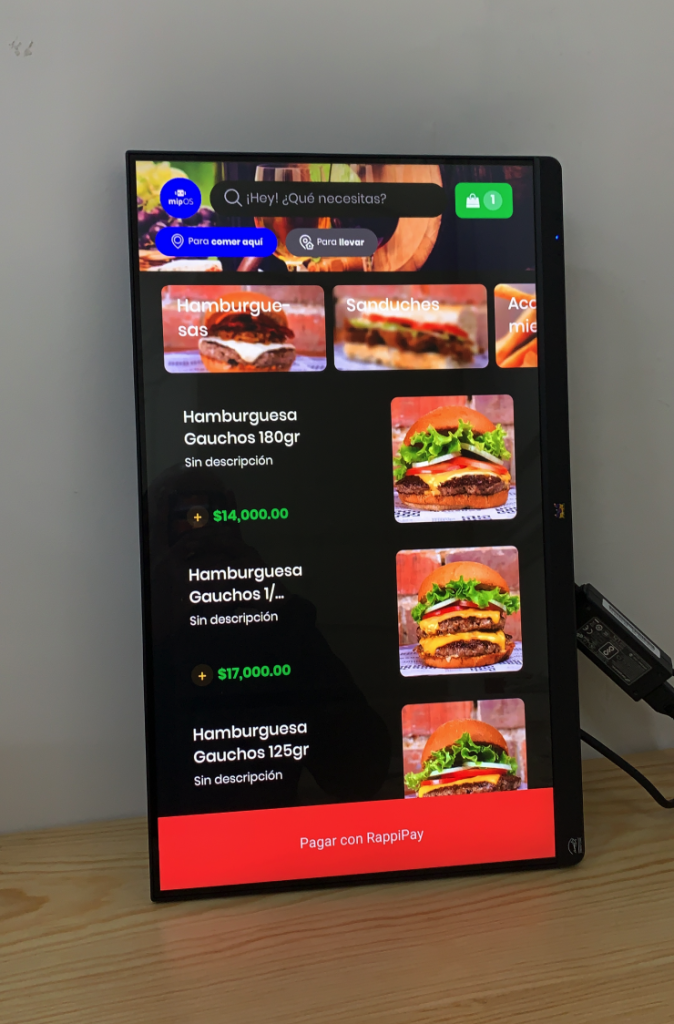
A before and after of mipOS Kiosk. The first idea of mipOS vs our MVP in one of the first tests we made while we were solving some bugs.
Making top
The result surprised us all
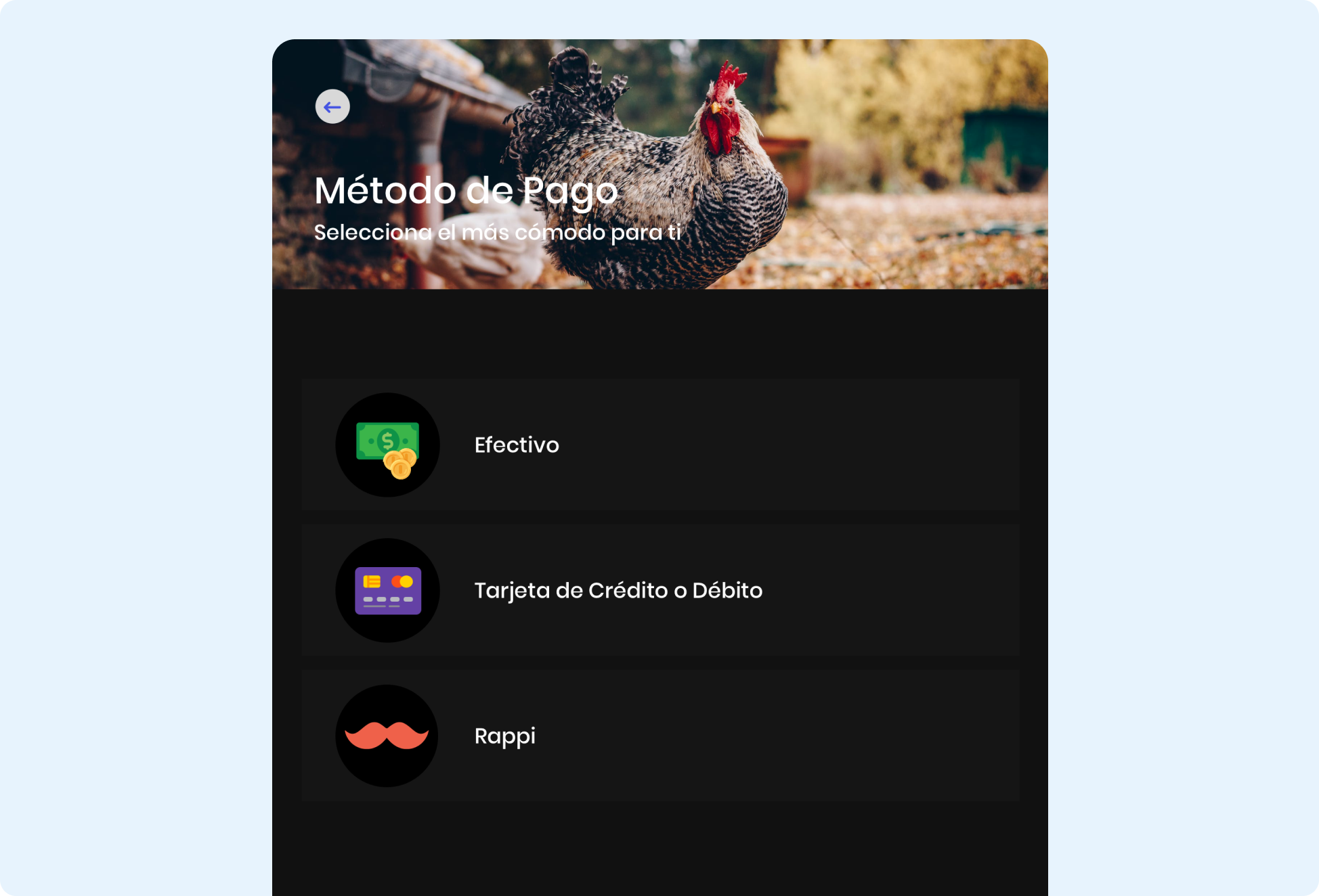
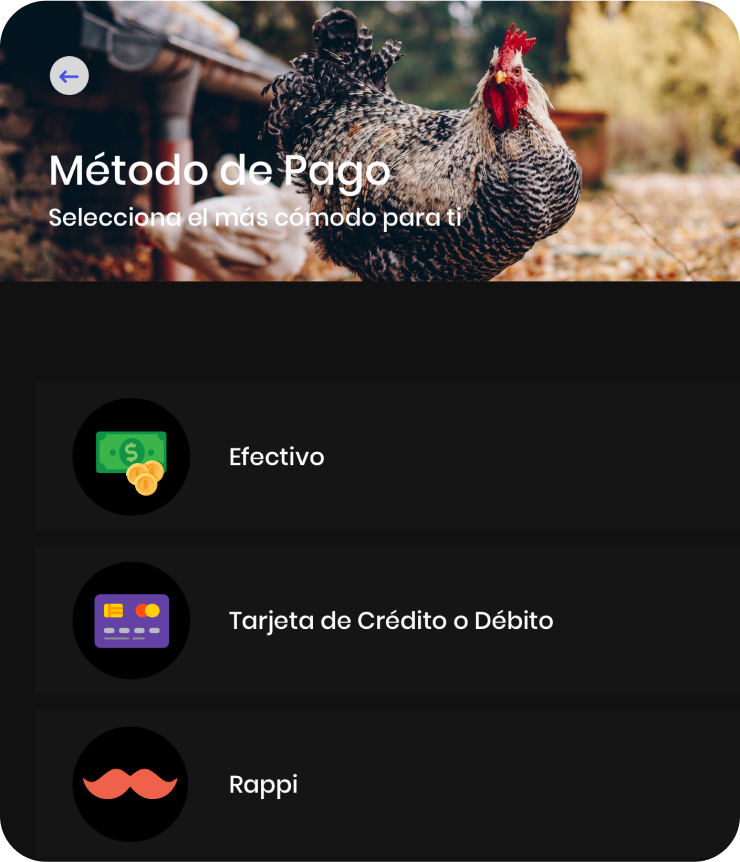
After 6 weeks we had 4 pilots in the following two weeks. The result exceeded our expectations, 47% of customers paid with RappiPay. Although cash payment was still high, it was already a cultural challenge in Mexico.
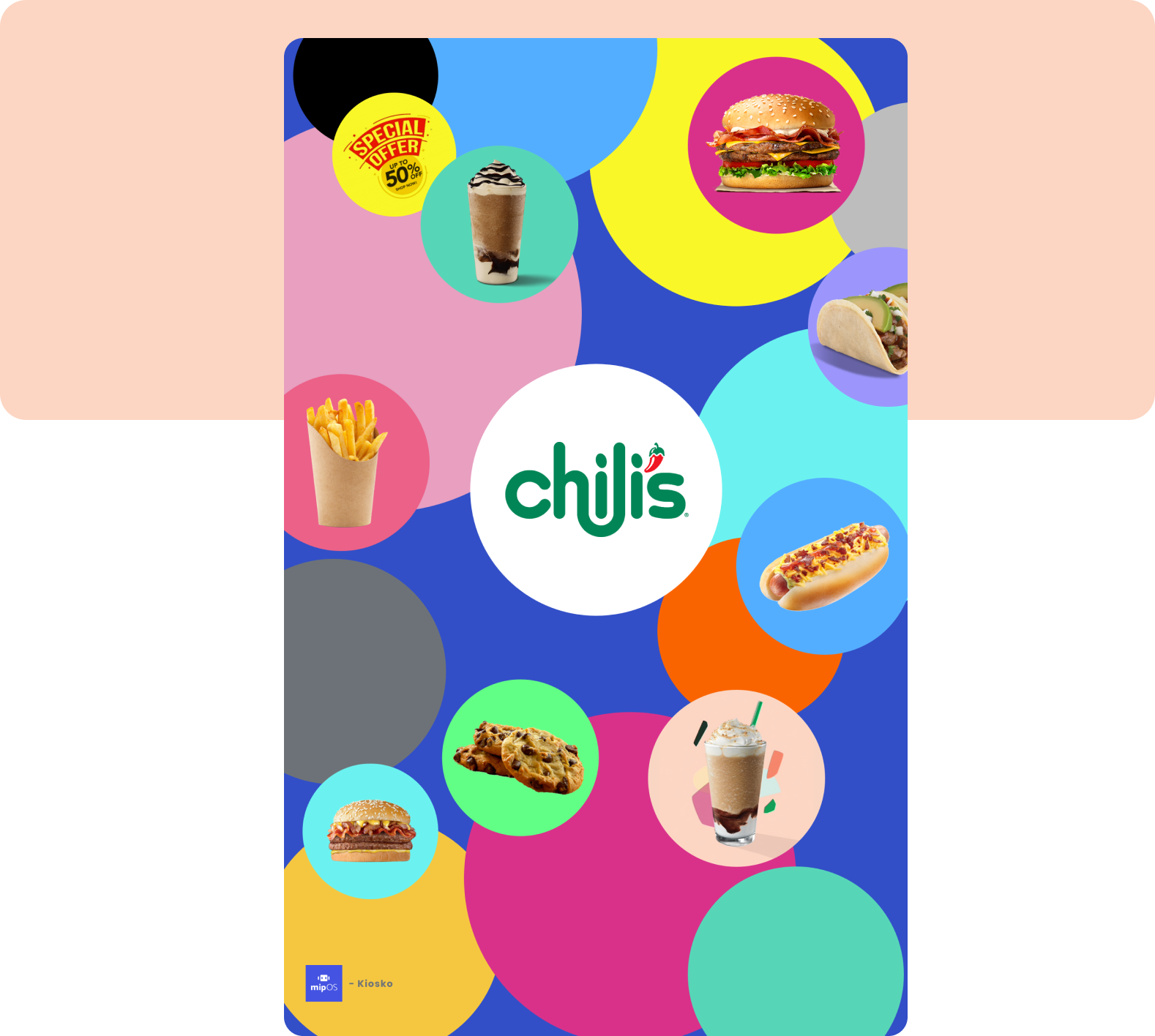
A resting screen that, with floating products, like the Windows screens of the 2000s. It helped us capture people’s attention by evoking familiar elements.
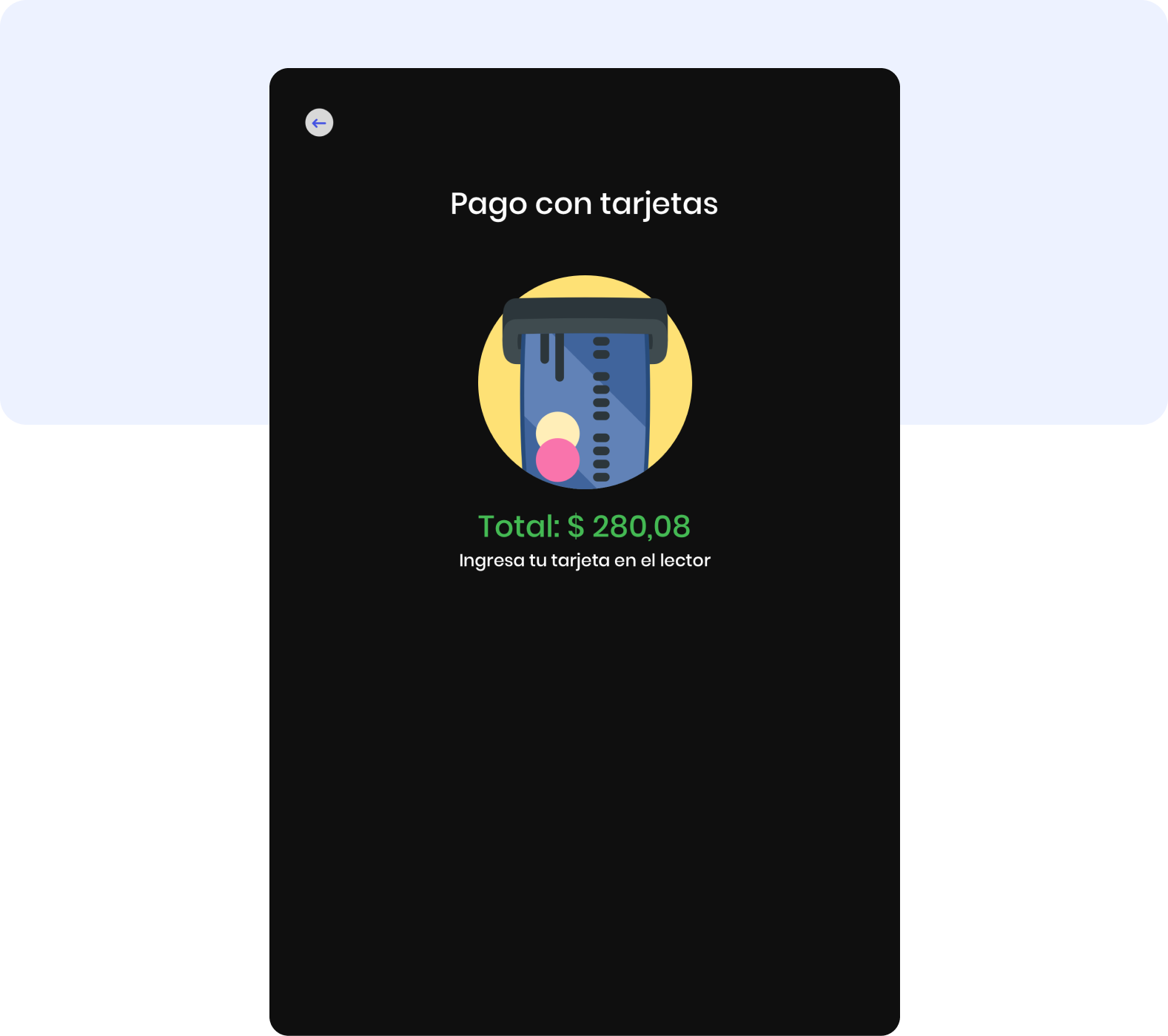
With subtle animations at key moments we are able to minimize the friction of paying with cards or QR codes for payments via RappyPay.
A product developed at ROKU.Integrated with card readers, also with FinTech QR codes.
Leads acquisition: We improved by 30% the delivery time of take-out orders.
Social Selling: +55% of users preferred to reorder from mipOS Kiosko.